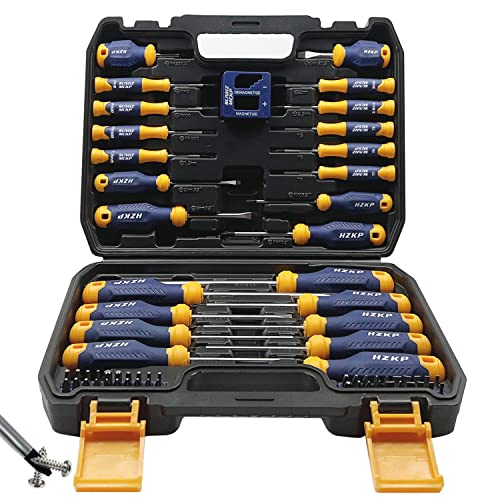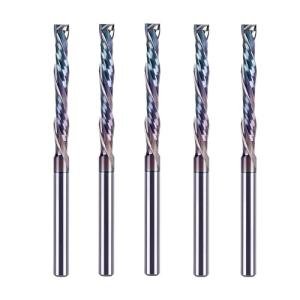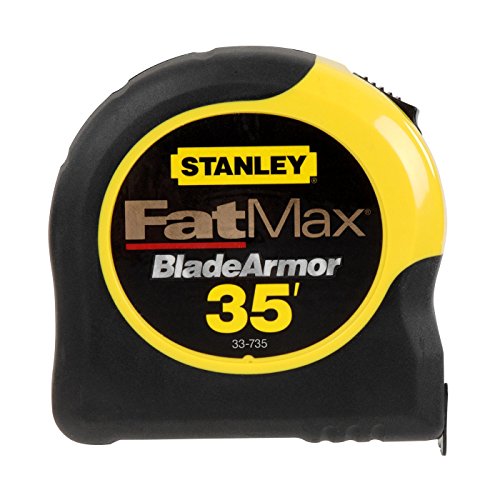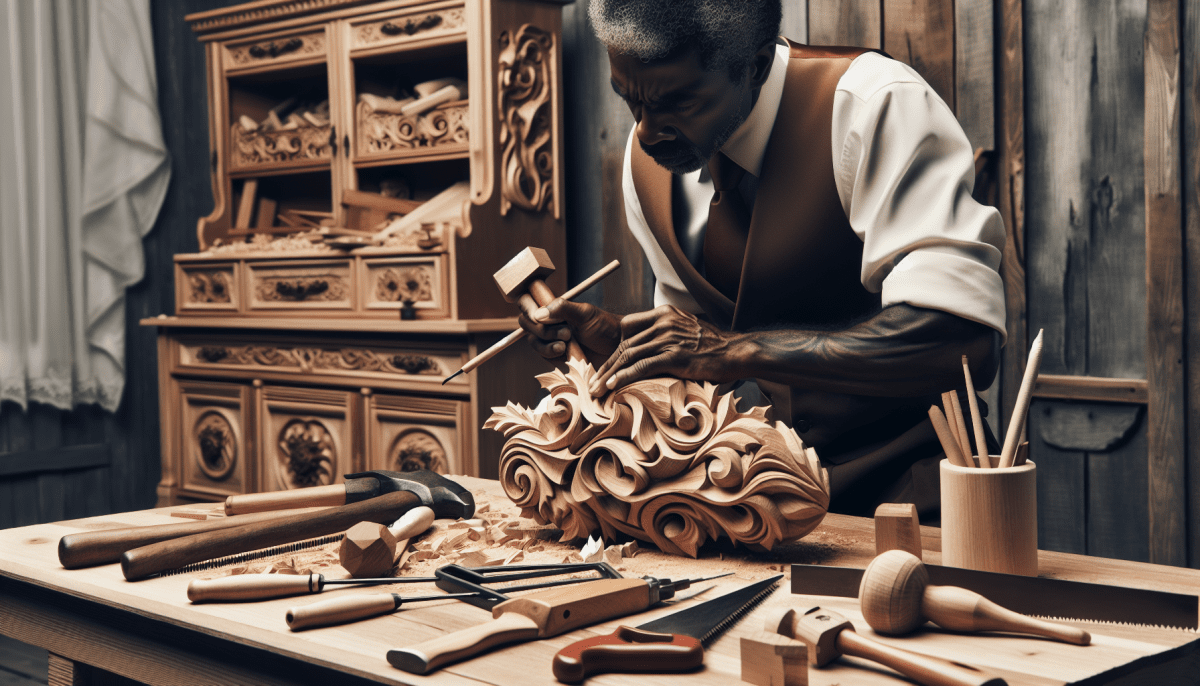
If you're diving into woodworking, you don't need a workshop full of fancy tools to get started. A few basic tools will set you on the right track. Here’s a quick list of essentials that make woodworking easy and effective:
Once you’ve got these tools, you’ll feel ready to tackle beginner projects, like building a simple shelf or a birdhouse. Remember, it’s all about practice. Don’t stress over making everything perfect; just enjoy the process of creating.
As you get comfortable with these basics, you can always add more specialized tools to your collection. But for now, these foundational tools will help you get started and build your confidence. Happy woodworking!
Essential Techniques for Beginners
Getting started in woodworking can feel overwhelming, but with a few essential techniques under your belt, you’ll be on your way to creating some amazing pieces. First off, let's talk about measuring. Always measure twice, cut once. It’s a simple rule, but it saves you from a lot of frustrations. A good measuring tape and a reliable square will become your best buddies in the workshop.
Next up is learning how to use your tools safely and effectively. If you're going to use power tools, take the time to read the manual and watch some tutorials. Familiarize yourself with the different tools like saws, drills, and sanders. Proper technique can make a huge difference in your results and keep you out of harm's way. Don’t rush this part; safety first!
Woodworking involves a lot of joining techniques, which can be tricky for beginners. Start with simple joints like butt joints or lap joints. As you gain confidence, you can move on to mortise and tenon joints or dovetails. Try practicing these joints on scrap wood before moving on to your actual project. It’s all about building that muscle memory and getting comfortable with your tools.
Finally, don’t underestimate the power of finishing. A good finish can elevate your project from basic to beautiful. Spend some time learning about different types of finishes, like stains, paints, or oils. Test them on sample pieces to see what you like best. Applying finish is where you can really express your style and protect your work at the same time.
Common Mistakes to Avoid
When you're diving into woodworking, it’s easy to make some common mistakes. Let’s chat about a few things to keep your projects on track and your frustrations to a minimum.
First off, always pay attention to measurements. It might sound basic, but measuring twice and cutting once can save you a world of trouble. If you’re off by even a little, it can mess up the entire piece. Invest in a good tape measure and keep it handy.
Next up, don’t skimp on your tools. Sure, there are cheaper options out there, but having the right tools makes a big difference. You don’t need every fancy gadget; just a solid set of essentials like a circular saw, a miter saw, and some hand tools will go a long way.
Another biggie is ignoring safety gear. Safety glasses and ear protection might feel like a hassle, but they protect you from accidents that could derail your project. Remember to keep your workspace tidy, too. A mess can lead to slips and injuries.
Finally, don’t rush through your projects. Woodworking is all about patience. Take your time, enjoy the process, and don’t be afraid to take breaks if you hit a frustrating patch. You’ll find that a calm approach often leads to the best results!
Tips for Building Confidence Fast
Building confidence in woodworking doesn't have to take ages. Here are some tips to help you get there fast!
First, start with simple projects. Don’t jump into complex designs right away. Choose items like birdhouses or small shelves. These projects are quick to finish and give you a sense of accomplishment. Plus, they build your skills without overwhelming you.
Second, practice is key. Set aside regular time for woodworking, even if it’s just an hour a week. The more hands-on experience you get, the better you’ll feel. Try different tools and techniques, and don’t stress about mistakes. They’re part of the learning process.
Last, connect with others. Join a local woodworking club or online community. Sharing your work and learning from others boosts your confidence. You’ll find support, get feedback, and make friends who share your passion. It's motivating and fun!