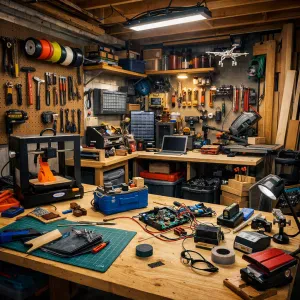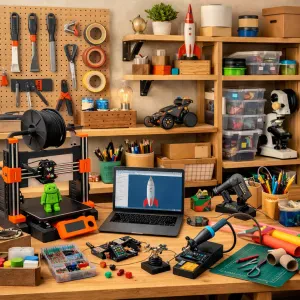
You’ll definitely want to prioritize the essential tools first. Think about what types of projects your makerspace will focus on. If woodworking is a big part, invest in a solid table saw, drill press, and some quality hand tools. These pieces are staples and will cover most of your needs. For a small shop, start with:
Don't forget about safety equipment! This should be high on your checklist because working with power tools can be risky. Items like safety glasses, ear protection, and dust masks are a must. You want your makerspace to be safe and welcoming for everyone, so make sure you have a solid starting point with these basics.
Other tools can come later as you expand. Things like CNC machines, laser cutters, or advanced electronics kits can really elevate your offerings, but they're often pricier. As you think about your makerspace startup costs, aim to invest wisely based on what your community needs. Start small, build up, and before long, you’ll have a fully stocked shop ready for creativity!
Space Setup and Renovation Expenses
First, consider the type of space you're looking to rent or buy. Depending on the location, prices can vary. Keep in mind that an empty warehouse may need a lot more work than a smaller, already-finished office space. Things like flooring, lighting, and wall repairs can really add to those makerspace startup costs.
Next, think about the layout. You’ll want an efficient setup that allows for different workstations – think woodworking areas, electronics stations, and maybe even a cozy lounge. If you plan on hiring someone to design the layout, that’s another expense you’ll need to factor in. Even simple modifications like adding walls or counters can increase your costs significantly.
Finally, don’t forget about permits and inspections. Depending on your local regulations, you might need approvals for renovations. These can add time and money to your initial setup. Getting a clear picture of these expenses early on will help keep your makerspace startup costs under control, making the whole process smoother and more enjoyable.
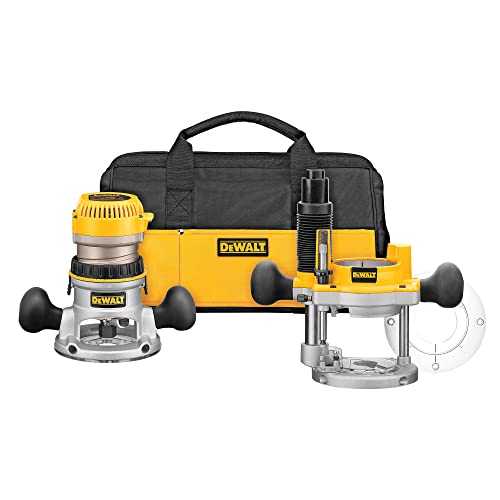
DEWALT 2-1/4 HP Router Combo Kit with Soft Start
Experience precision and control in your woodworking projects with this powerful router kit designed for both beginners and pros
Product information
€211.36 €194.38
Product Review Score
4.13 out of 5 stars
168 reviewsProduct links
Ongoing Monthly Operating Costs
First up are utilities. You’ll need power for tools, lights, and climate control, plus water for clean-up. Depending on the size of your space and the equipment you use, these bills can vary significantly. Make sure to estimate your consumption and include a buffer for unexpected spikes.
Next, think about maintenance and repairs. Tools need upkeep, whether it’s sharpening blades or replacing parts. Equipment breaks down, and you don’t want to find yourself scrambling for cash to fix a machine during a busy month. Setting aside a monthly amount for repairs can save you stress later.
Don’t forget about memberships or fees. If your makerspace will be part of a larger organization or community, you might have monthly dues or shared resource fees. These can be overlooked but can hit your budget hard. Add these into your makerspace startup costs to avoid surprises.
Lastly, consider supplies and materials. Even if you have great tools, you need raw materials to create. Wood, metal, fabric, and other supplies can eat into your budget. It’s wise to track what you use and plan ahead for restocking without constantly dipping into emergency funds. By keeping an eye on these ongoing operational costs, you can run a thriving makerspace without breaking the bank.
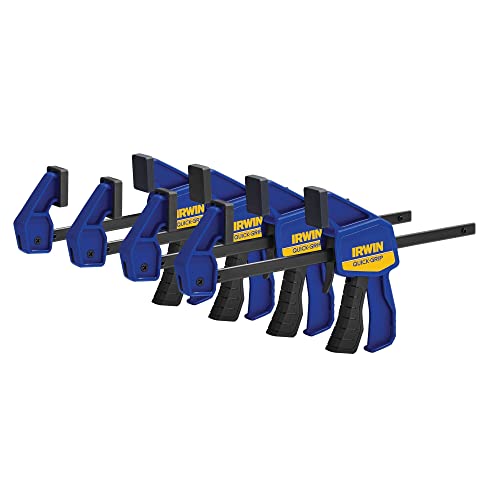
IRWIN Quick-Grip Mini Bar Clamps 4-Pack
Get a sturdy grip on your projects with these lightweight and easy-to-use mini bar clamps
Product information
€16.97
Product Review Score
4.16 out of 5 stars
166 reviewsProduct links
Marketing and Promotion Budget Factors
When you're diving into makerspace startup costs, one of the key pieces to consider is your marketing and promotion budget. This isn’t just an optional add-on; it’s essential. You want your makerspace to get noticed and attract members, right? So, let’s break down what you should keep in mind.
First off, think about your target audience. Are you aiming for hobbyists, students, or local entrepreneurs? Understanding who you want to attract helps you decide where to invest your marketing dollars. Social media ads? Local flyers? It all depends on your audience.
Next, consider how you're going to promote events and workshops. Hosting special events can be a huge draw, but you'll need to spend some cash on promoting them. Budget for things like online ads, posters, and even local newspaper spots. Trust me, getting the word out can create a buzz that brings in new members.
Don’t forget about branding. A strong brand can make a big difference in getting the right people through your doors. Think about spending some budget on logo design, website setup, and social media profiles. These things make you look professional and can help convert curious visitors into paying members.
Finally, track your spending and results. Set aside some budget to analyze what works. This way, you can see which marketing efforts pay off and change up your approach as needed. Keeping an eye on this will help you manage your makerspace startup costs effectively and ensure a thriving community.