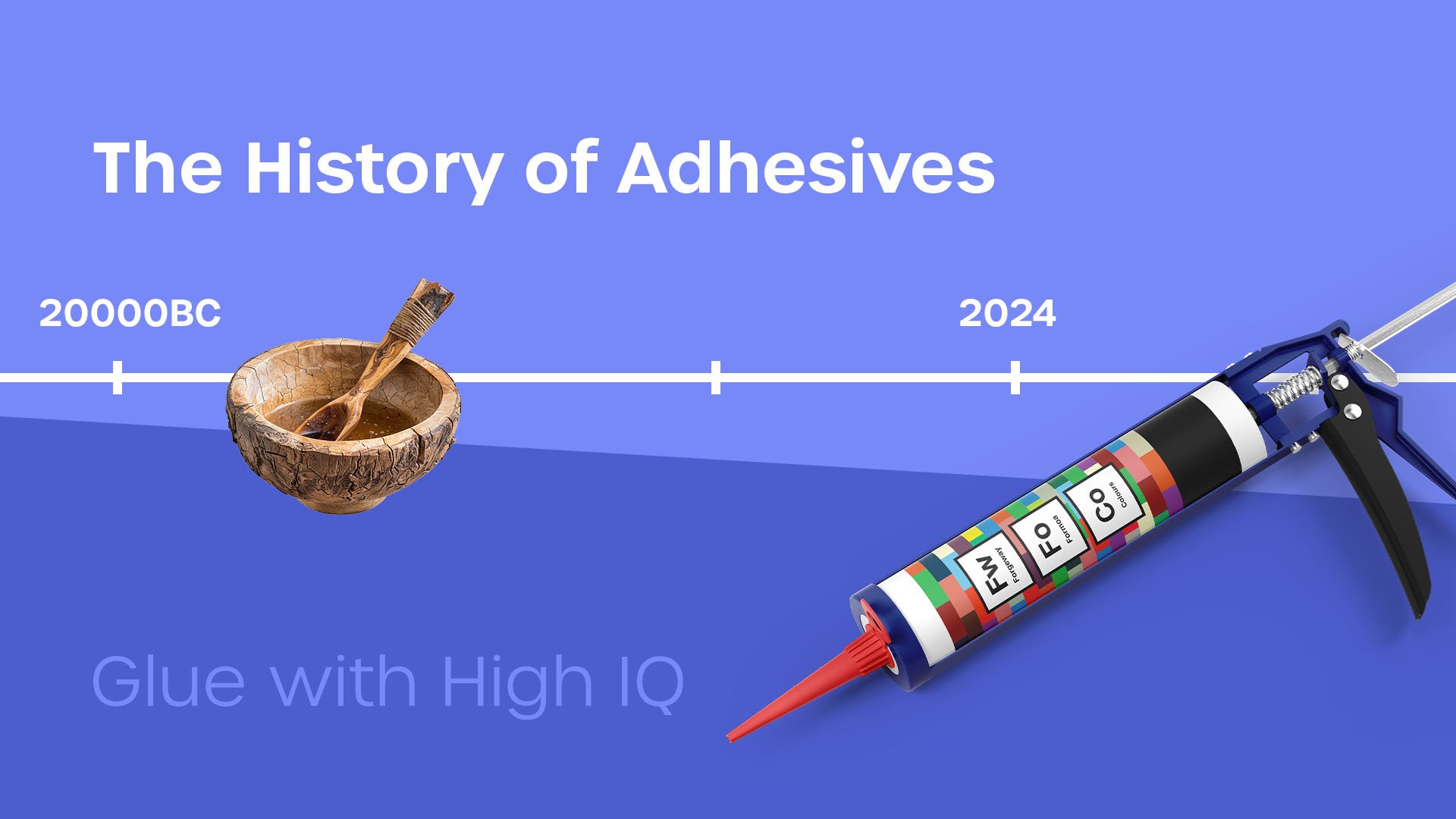
The History of Glues and Adhesives: From Prehistoric Survival to High-Tech Bonding


Adhesives are so common today that we barely think about them—until something breaks. But glue is one of humanity’s oldest and most important technologies. Long before metal fasteners, screws, or welding, adhesives made tools usable, shelters durable, and societies more advanced. The history of glue mirrors human innovation itself: survival first, craftsmanship next, industry later, and high-tech precision today.
This article traces that evolution—from ancient natural binders to modern synthetic adhesives that literally hold aircraft, smartphones, and medical implants together.
1. The Earliest Adhesives: Survival Tools of Prehistory
The first adhesives appeared over 200,000 years ago, long before written history.
Birch Tar and Natural Resins
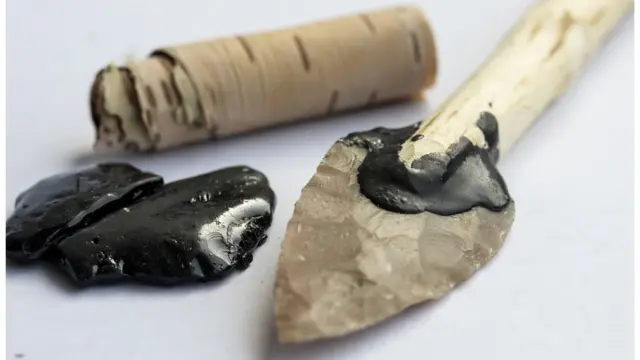
Archaeological evidence shows early humans producing birch tar by heating birch bark in low-oxygen conditions—a surprisingly complex chemical process for prehistoric people. This sticky, waterproof substance was used to bond stone blades to wooden spear shafts.
Other early adhesives included:
-
Tree resins and saps
-
Beeswax blends
-
Plant gums
These early glues allowed composite tools—one of the biggest technological leaps in human evolution.
Bottom line: Adhesives helped humans hunt better, survive longer, and dominate their environment.
2. Ancient Civilizations: Glue Becomes Craft


As civilizations formed, adhesives moved beyond survival into construction, art, and manufacturing.
Ancient Egypt
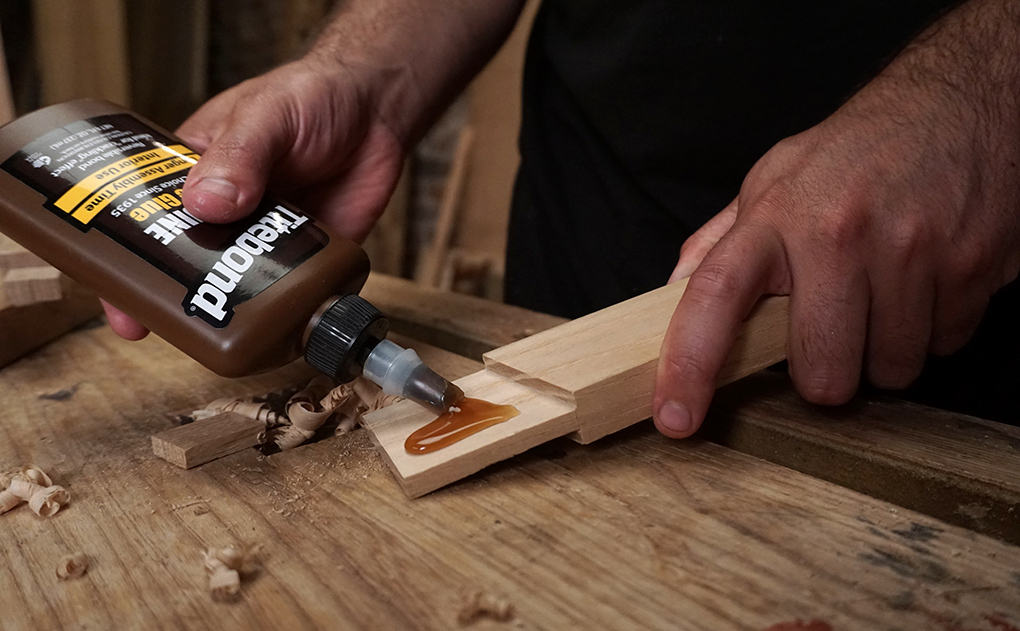
Egyptians used animal glue (derived from collagen in hides, bones, and connective tissue) for:
-
Furniture construction
-
Veneering wood
-
Papyrus scroll assembly
Some of these glue joints have survived over 3,000 years.
Greece and Rome
The Romans refined adhesives further, developing casein glue made from milk proteins. It was water-resistant and ideal for woodworking and early masonry applications.
Adhesives were now:
-
Purpose-driven
-
Formulated for specific materials
-
Used at scale
This marked the shift from “sticky substances” to engineered bonding agents.
3. The Middle Ages: Craft Guild Precision
During the medieval period, adhesives were essential to skilled trades:
-
Cabinetmakers
-
Bookbinders
-
Luthiers (instrument makers)
Hide glue dominated this era. It had key advantages:
-
Strong initial bond
-
Reversible with heat and moisture
-
Repair-friendly
That reversibility is why hide glue is still used today in fine furniture and violin making.
However, limitations were clear:
-
Poor moisture resistance
-
Short working time
-
Organic decay
Industry needed better solutions.
4. The Industrial Revolution: Glue Goes Chemical
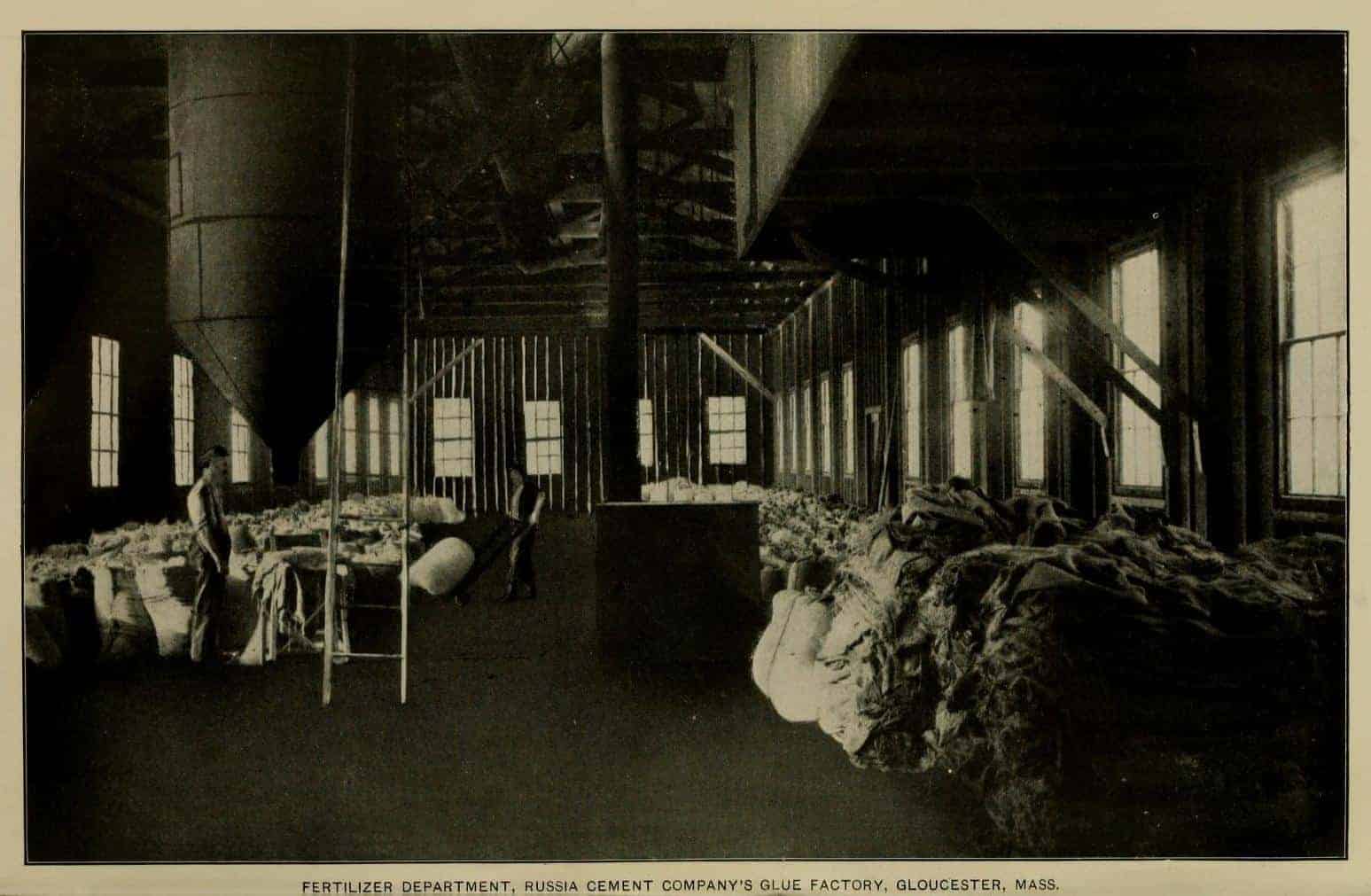

The 19th and early 20th centuries changed everything.
Mass Production Demands
Factories required adhesives that were:
-
Consistent
-
Stronger
-
Faster-curing
-
Compatible with new materials
Key Developments
-
Rubber-based adhesives for flexible bonding
-
Phenolic resins (used in plywood and laminates)
-
Early pressure-sensitive adhesives (precursors to tape)
Adhesives became an industrial material, not just a craft supply.
5. The Modern Era: Synthetic Adhesives Take Over
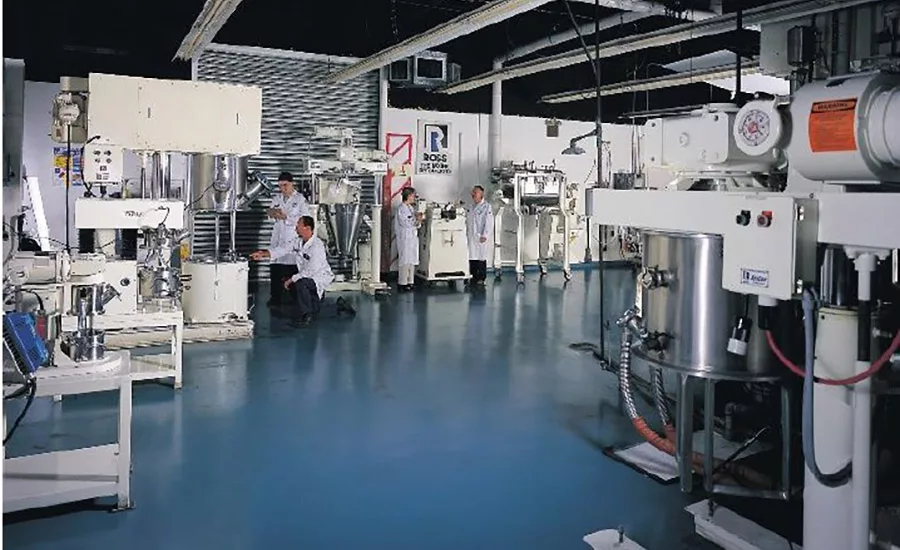

The 20th century introduced the adhesives we recognize today—engineered at the molecular level.
Major Modern Adhesive Families
Epoxies
-
Two-part systems (resin + hardener)
-
Extremely strong and durable
-
Used in aerospace, automotive, marine, and construction
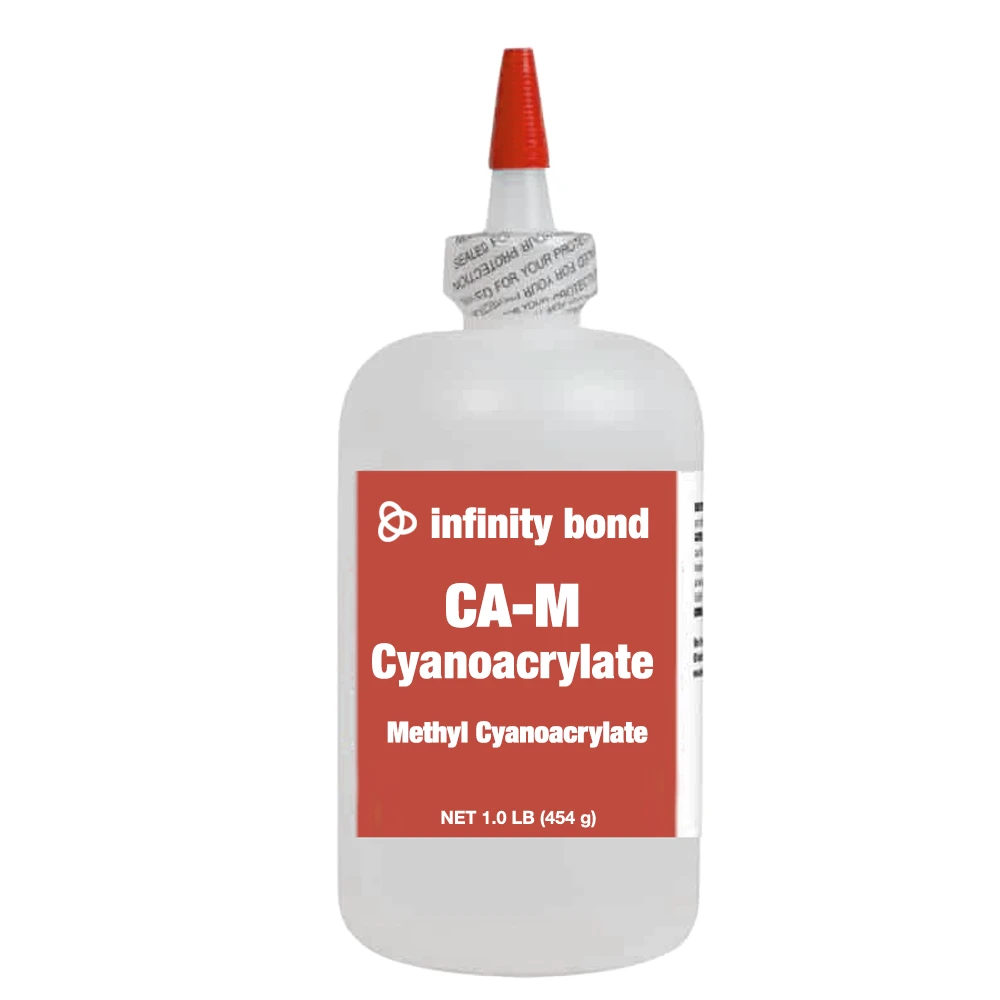
Cyanoacrylates (Super Glue)
-
Instant bonding
-
Bonds skin, metal, plastic, and rubber
-
Popularized commercially by Loctite
Polyurethanes
-
Flexible but strong
-
Excellent for construction and woodworking
-
Bonds dissimilar materials
Acrylics
-
Fast curing
-
High shear strength
-
Common in automotive and electronics
Silicone Adhesives
-
Flexible, waterproof, temperature-resistant
-
Ideal for sealing and expansion-tolerant joints
Companies like 3M turned adhesive science into a core industrial discipline, developing thousands of formulations for specific use cases.
6. How Modern Adhesives Are Used Today
Modern life is literally glued together.
Construction & Infrastructure
-
Structural bonding replacing mechanical fasteners
-
Window glazing and façade systems
-
Flooring, roofing, and insulation
Automotive & Aerospace
-
Weight reduction by replacing rivets and welds
-
Vibration damping
-
Composite material bonding
A modern car contains dozens of adhesive types.
Electronics
-
Smartphone assembly
-
Heat dissipation bonding
-
Micro-component placement
Without advanced adhesives, modern electronics would be impossible.
Medical & Healthcare
-
Surgical glues replacing stitches
-
Dental bonding agents
-
Wearable medical devices
These adhesives must be biocompatible, sterile, and predictable.
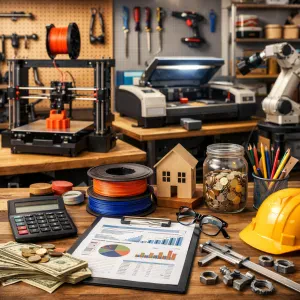
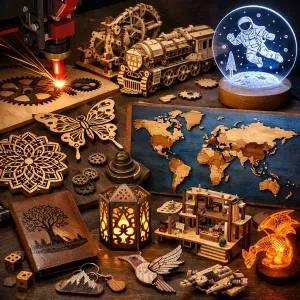
Maker, DIY, and Manufacturing Spaces
-
CNC lamination
-
Laser-cut assembly
-
3D-printed part bonding
-
Rapid prototyping
For modern makers, adhesive choice is as important as material selection.
7. The Future of Adhesives: Smarter, Greener, Stronger
Adhesive innovation isn’t slowing down.
Emerging Trends
-
Bio-based adhesives (plant-derived, compostable)
-
Self-healing adhesives that repair micro-cracks
-
Smart adhesives that respond to heat, electricity, or light
-
Debond-on-demand systems for recycling and repair
The goal is clear: maximum strength with minimal environmental impact.
Final Thoughts: Glue Is Civilization in a Bottle
From birch tar on stone tools to nano-engineered aerospace epoxies, adhesives have quietly shaped human progress. They enable efficiency, reduce material waste, and allow designs that mechanical fasteners simply can’t achieve.
If screws and bolts are the visible heroes of engineering, glue is the invisible one—doing the heavy lifting behind the scenes.
And in the modern world, it’s not an exaggeration to say:
Nothing stays together without it.