The History of Epoxy: How a Chemical Breakthrough Changed the Modern World

Epoxy isn’t just another glue—it’s one of the most important materials ever developed for modern engineering. Unlike traditional adhesives that rely mostly on surface tack, epoxy creates chemical bonds that are often stronger than the materials being joined. Today, epoxy is everywhere: aircraft, cars, wind turbines, circuit boards, boats, construction, and workshops.
But epoxy didn’t appear overnight. Its history is a story of chemistry, war, industry, and relentless optimization.
1. Before Epoxy: The Limits of Early Adhesives
Before epoxy existed, engineers relied on:
-
Animal glues
-
Casein (milk-based) adhesives
-
Natural resins
-
Early phenolic resins
These worked—but only up to a point. They were:
-
Brittle
-
Moisture-sensitive
-
Weak under heat or stress
As industries demanded stronger, lighter, and more durable bonds, chemistry needed a leap forward.
2. The Birth of Epoxy: 1930s Chemical Breakthrough
Epoxy resins emerged in the late 1930s, driven by advances in polymer chemistry.
The Key Discovery
Scientists discovered that epoxide groups (three-membered oxygen-containing rings) could be reacted with curing agents to form incredibly strong, cross-linked polymers.
Two independent breakthroughs are typically credited:
-
Paul Schlack in Germany
-
Pierre Castan in Switzerland
Castan’s work eventually led to the first commercial epoxy systems.
This was revolutionary because epoxy was:
-
Stronger than previous resins
-
Chemically resistant
-
Capable of bonding metal, wood, glass, and stone
For the first time, adhesives became structural materials.
3. World War II: Epoxy Proves Its Worth
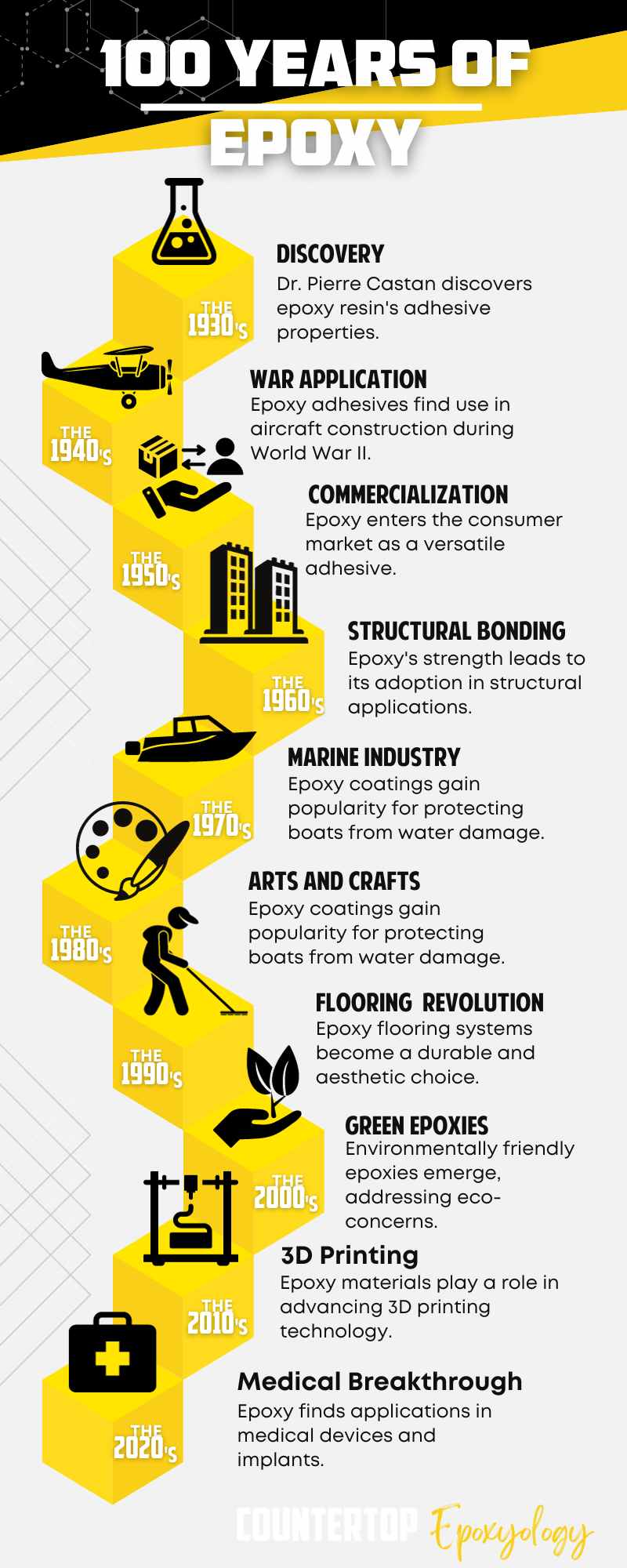


World War II accelerated epoxy development dramatically.
Military needs demanded materials that could:
-
Bond metal without rivets
-
Resist fuel, oil, and heat
-
Perform reliably under extreme stress
Epoxy found early use in:
-
Aircraft components
-
Electrical insulation
-
Radar and communications equipment
Although expensive and difficult to manufacture at first, epoxy proved it could outperform mechanical fasteners in critical applications.
Once the war ended, industry took notice.
4. Post-War Industrial Expansion: Epoxy Goes Mainstream
In the 1950s and 1960s, epoxy moved from laboratories into factories.
Major Advancements
-
Improved curing agents
-
Room-temperature curing systems
-
Better control over flexibility vs rigidity
Large chemical companies refined epoxy formulations for mass production. Firms like DuPont helped standardize polymer science, while industrial suppliers such as 3M expanded epoxy into construction and manufacturing markets.
Epoxy was no longer exotic—it was practical.
5. Epoxy Becomes a Structural Material
Unlike traditional glues, epoxy does more than stick—it reinforces.
Why Epoxy Was Different
-
Cross-linked molecular structure
-
High shear and tensile strength
-
Excellent gap-filling capability
-
Strong adhesion to rough or smooth surfaces
By the 1970s, epoxy was used in:
-
Bridges and concrete repair
-
Marine hulls and fiberglass layups
-
Aerospace composites
-
Industrial tooling
Epoxy wasn’t just holding things together—it was enabling entirely new designs.
6. Modern Epoxy Systems: Engineered for Everything
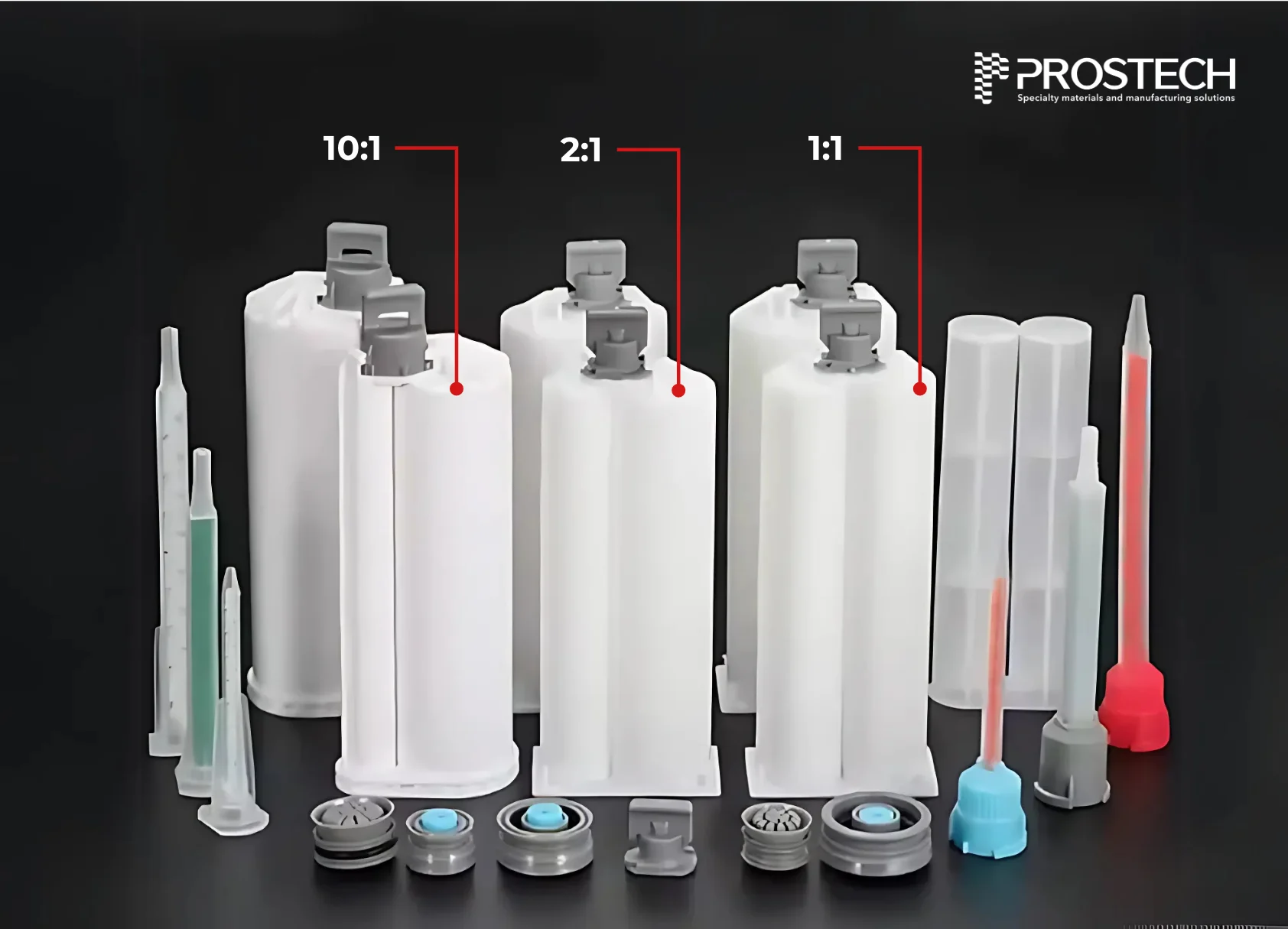
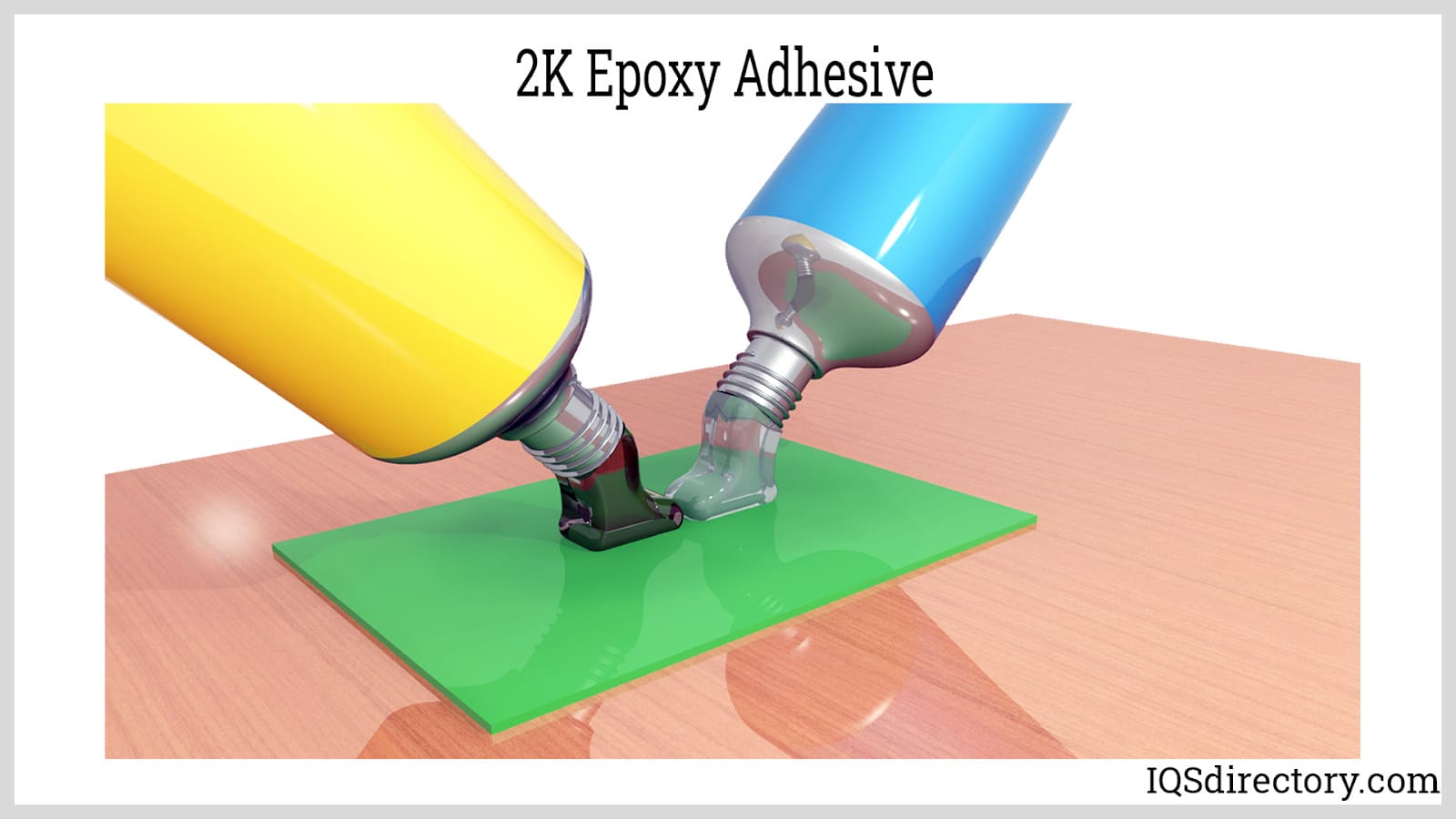

Today’s epoxy systems are highly specialized.
Common Modern Epoxy Types
Structural Epoxies
-
Used in aerospace and automotive frames
-
Replace welds and bolts
-
Distribute stress evenly
Electrical & Encapsulation Epoxies
-
Protect circuit boards
-
Resist moisture, vibration, and heat
-
Used in nearly all modern electronics
Marine Epoxies
-
Waterproof and salt-resistant
-
Used in boat building and repair
Construction Epoxies
-
Anchor bolts into concrete
-
Crack injection and structural repair
Brands such as Loctite popularized user-friendly epoxy systems, bringing industrial-strength bonding into everyday workshops and garages.
7. Epoxy in the Maker & DIY World
Epoxy has become indispensable for:
-
CNC lamination
-
Laser-cut assembly
-
3D print reinforcement
-
Mold making and casting
-
Tooling and jigs
Its ability to:
-
Fill gaps
-
Bond dissimilar materials
-
Be machined after curing
makes it one of the most versatile materials a maker can own.
The downside?
Epoxy demands discipline—proper mixing ratios, surface prep, ventilation, and cure time are non-negotiable.
8. The Future of Epoxy: Smarter and Cleaner
Epoxy is evolving again.
Emerging Developments
-
Bio-based epoxies from plant oils
-
Low-VOC and non-toxic formulations
-
Faster cure, lower energy systems
-
Recyclable and reversible epoxies
The challenge ahead is balancing epoxy’s legendary strength with environmental responsibility.
Final Thoughts: Epoxy Is the Backbone of Modern Engineering
If glue made civilization possible, epoxy made modern engineering inevitable.
From aircraft wings and wind turbines to circuit boards and CNC fixtures, epoxy quietly does the work that bolts, welds, and fasteners can’t. It allows lighter structures, cleaner designs, and stronger bonds—all without visible hardware.
Epoxy isn’t just adhesive.
It’s structural chemistry, and the modern world would quite literally fall apart without it.
Modern-Day Epoxies: What They Are, How They Work, and Where You Use Them Every Day
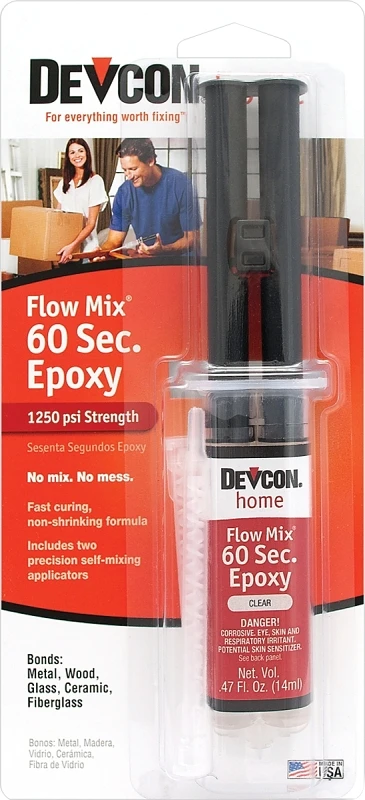
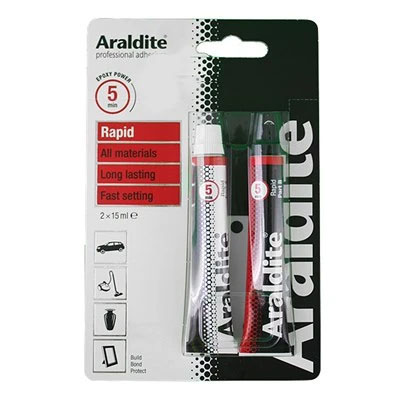

Epoxy is no longer a niche industrial material—it’s a quiet workhorse of everyday life. From the phone in your pocket to the car in your driveway and the floors in big-box stores, modern epoxies are everywhere. They don’t just “stick things together”; they strengthen, seal, protect, insulate, and extend lifespan.
This article breaks down what modern epoxies are, how they differ from traditional glues, and exactly how they’re used in daily life—at home, at work, and behind the scenes.
1. What Makes Modern Epoxies Different?
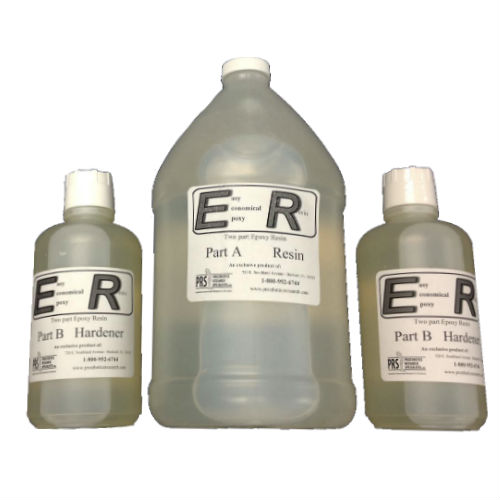
At their core, epoxies are two-part thermosetting polymers:
-
Resin (the base)
-
Hardener (the curing agent)
When mixed, a chemical reaction creates a cross-linked molecular structure. Once cured, epoxy does not soften again with heat. That’s the key difference between epoxy and most consumer adhesives.
Why This Matters
Modern epoxies offer:
-
Extremely high strength
-
Chemical and moisture resistance
-
Gap-filling capability
-
Long-term durability
-
Bonding to dissimilar materials
That’s why epoxy is used where failure is not an option.
2. Everyday Household Uses of Epoxy
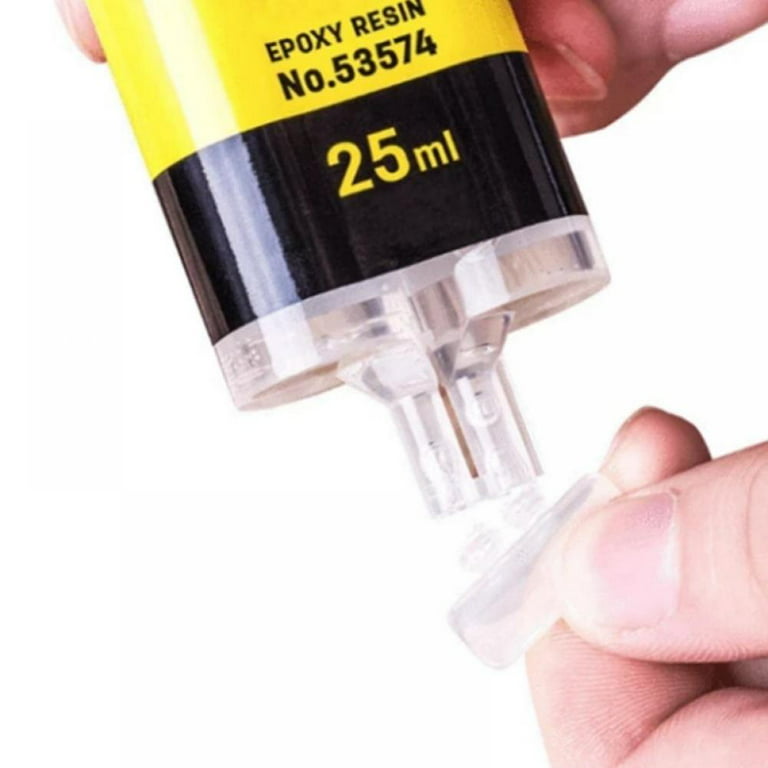
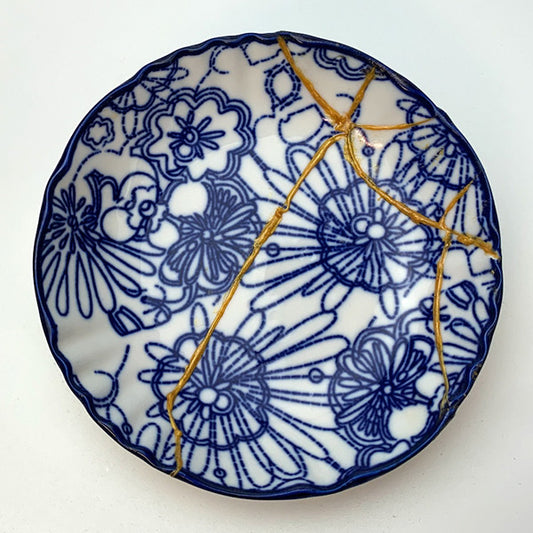
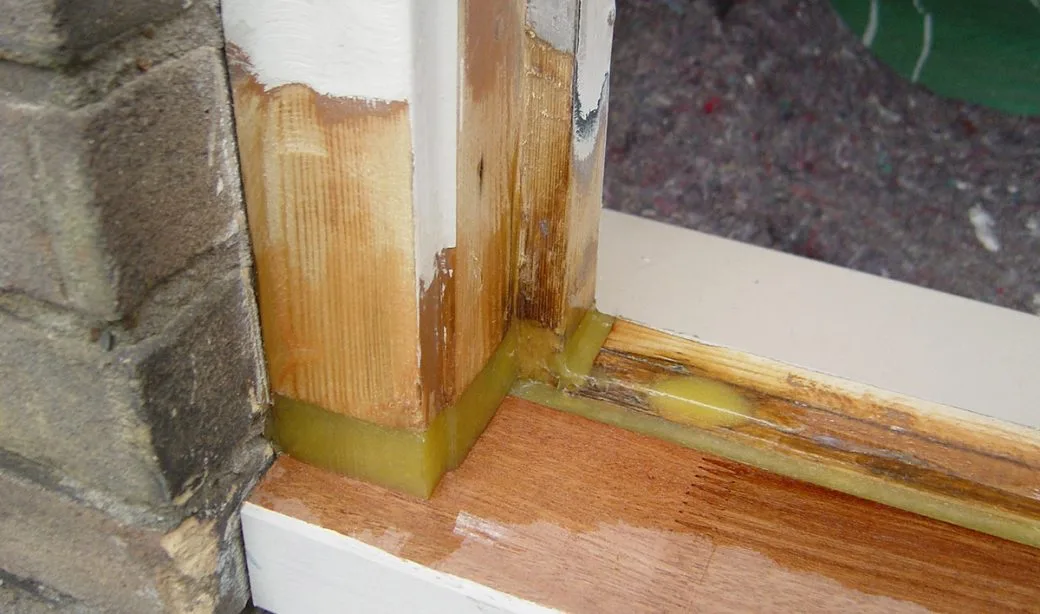
Epoxy is one of the most versatile tools the average homeowner can own.
Common Home Applications
-
Repairing broken ceramics and porcelain
-
Rebuilding rotted wood window frames
-
Fixing cracked metal parts
-
Anchoring bolts into concrete
-
Filling voids and structural gaps
Unlike standard glue, epoxy doesn’t just reattach—it restores structural integrity.
Hard truth: If a repair needs strength, super glue is a shortcut. Epoxy is the solution.
3. Epoxy in Construction and Buildings
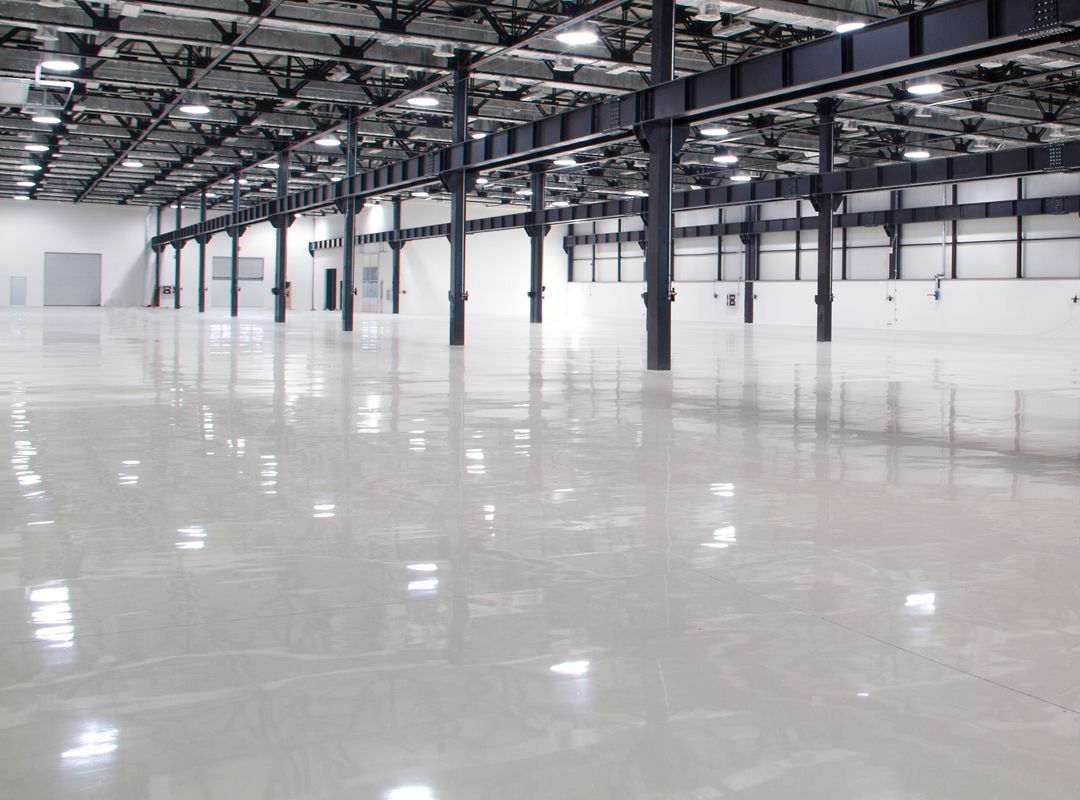
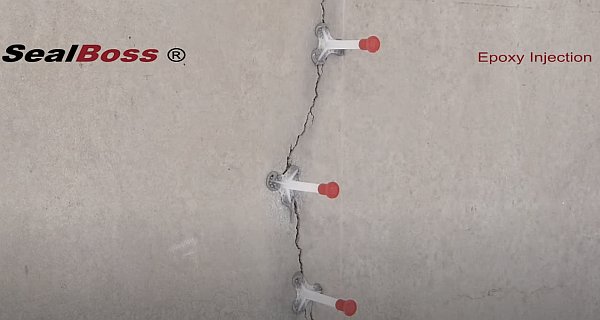
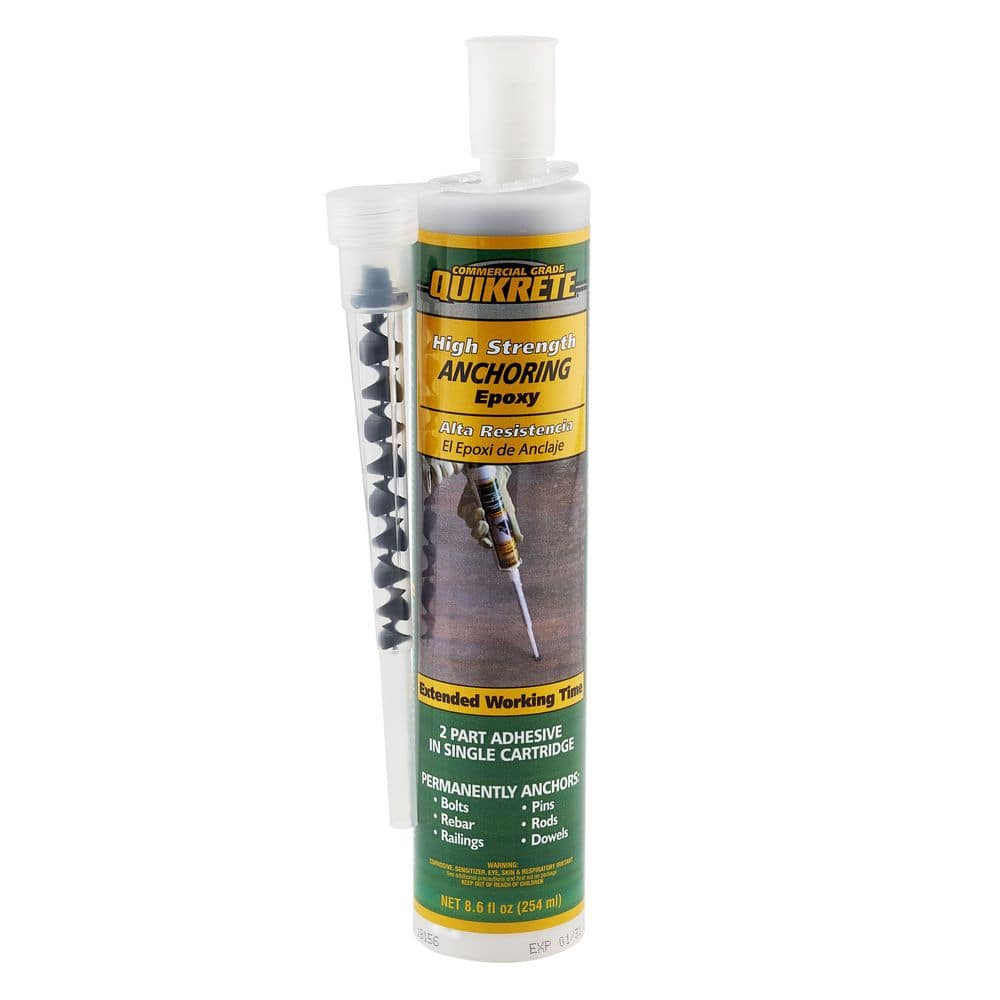
Walk into a warehouse, hospital, or school and look at the floor. Chances are you’re standing on epoxy.
Construction Uses
-
Industrial and commercial floor coatings
-
Crack injection in concrete foundations
-
Structural anchoring systems
-
Waterproofing basements and roofs
Epoxy floors are popular because they are:
-
Seamless
-
Chemical resistant
-
Easy to clean
-
Extremely durable
That’s why factories, garages, and medical facilities rely on them.
4. Automotive and Transportation Uses


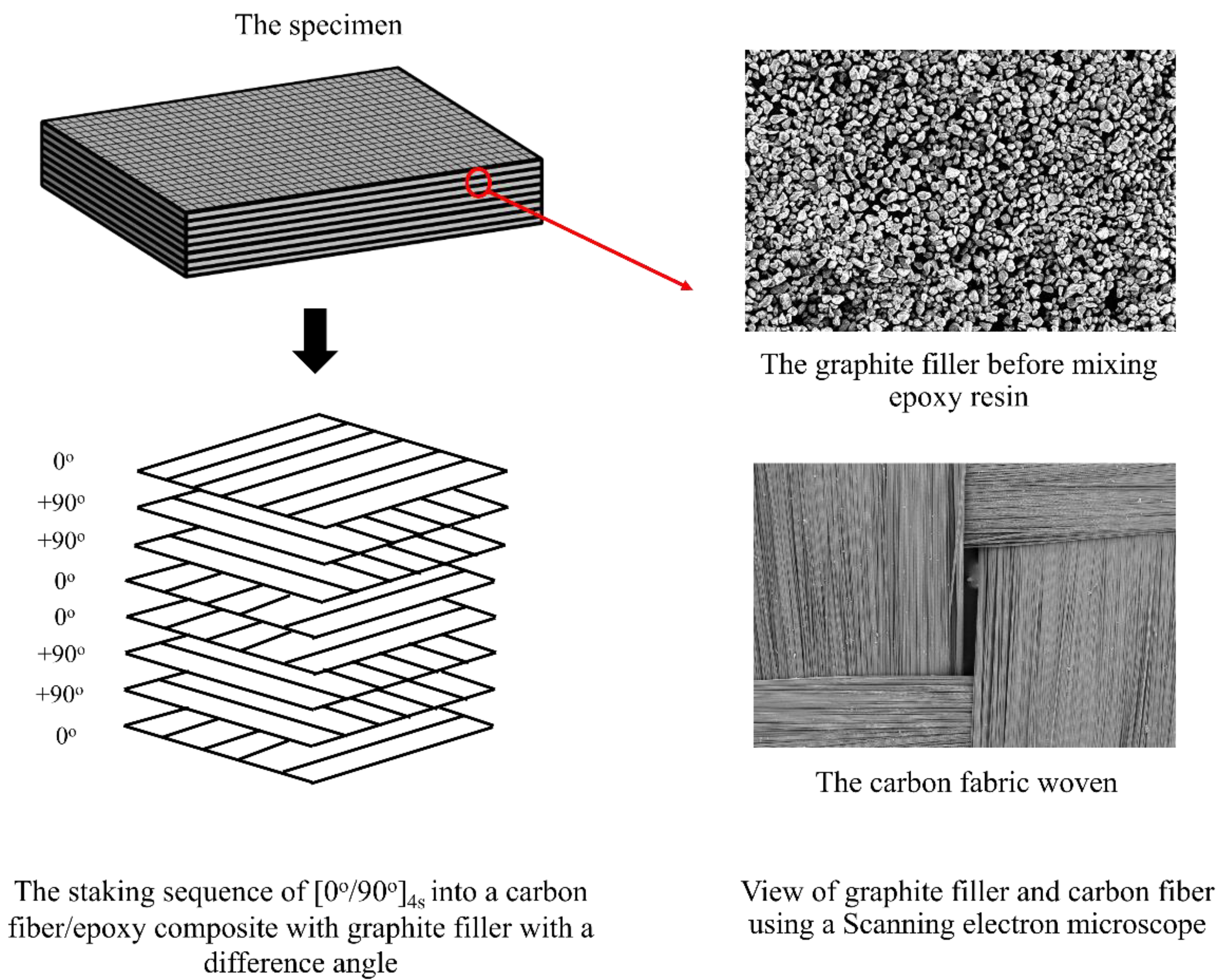
Modern vehicles use less welding and more adhesive bonding than ever before.
Where Epoxy Is Used in Vehicles
-
Bonding body panels
-
Reinforcing composite structures
-
Vibration damping
-
Structural frame bonding
Epoxy helps reduce vehicle weight while increasing strength—critical for fuel efficiency and safety.
Major material-science companies like 3M supply advanced epoxy systems that replace rivets and welds in many applications.
5. Epoxy in Electronics and Devices


Your smartphone would not survive daily life without epoxy.
Electronics Applications
-
Potting and encapsulating circuit boards
-
Insulating electrical components
-
Protecting against moisture and vibration
-
Bonding micro-components
Epoxy provides:
-
Electrical insulation
-
Thermal stability
-
Long-term reliability
Without epoxy, modern electronics would be fragile, unreliable, and short-lived.
6. Epoxy in Crafts, Makerspaces, and DIY Projects



Epoxy has exploded in popularity among makers, DIYers, and small manufacturers.
Popular Maker Uses
-
Wood stabilization
-
River tables and artistic pours
-
CNC and laser-cut part assembly
-
Mold making and casting
-
Reinforcing 3D-printed parts
Its ability to be:
-
Sanded
-
Machined
-
Drilled
-
Painted
makes epoxy more than glue—it becomes part of the finished product.
7. Medical and Consumer Product Uses

Modern medicine relies heavily on epoxy.
Medical Applications
-
Dental bonding agents
-
Prosthetics and orthotics
-
Medical device assembly
-
Wearable health equipment
These epoxies must meet strict requirements:
-
Biocompatibility
-
Predictable cure times
-
Sterility and consistency
Epoxy here isn’t just strong—it’s life-critical.
8. Consumer-Friendly Epoxies vs Industrial Epoxies
Not all epoxies are created equal.
Consumer Epoxies
-
Easy mixing ratios
-
Short cure times
-
Lower toxicity
-
Moderate strength
Brands like Loctite helped bring epoxy into mainstream households.
Industrial Epoxies
-
Precise ratios
-
Controlled curing environments
-
Extreme strength and durability
-
Specialized handling requirements
Both serve important roles—but confusing them leads to failure.
9. Safety and Best Practices (No Sugar-Coating)
Epoxy is powerful chemistry. Treat it with respect.
Key Rules
-
Always measure accurately
-
Wear gloves and eye protection
-
Use ventilation
-
Never rush cure times
-
Surface prep is mandatory
Most epoxy failures are user error, not product failure.
10. The Future of Everyday Epoxy
Epoxy technology continues to evolve.
What’s Coming Next
-
Bio-based epoxies
-
Low-VOC and non-toxic formulations
-
Faster curing systems
-
Recyclable and reversible epoxies
The goal is the same: maximum performance with minimal environmental cost.
Final Takeaway: Epoxy Is Already in Your Life
Epoxy isn’t exotic. It’s practical, invisible, and essential.
It holds together:
-
Homes
-
Vehicles
-
Electronics
-
Furniture
-
Medical devices
Modern life doesn’t just rely on epoxy—it assumes it exists.
And once you understand what epoxy really does, you’ll never look at “glue” the same way again.