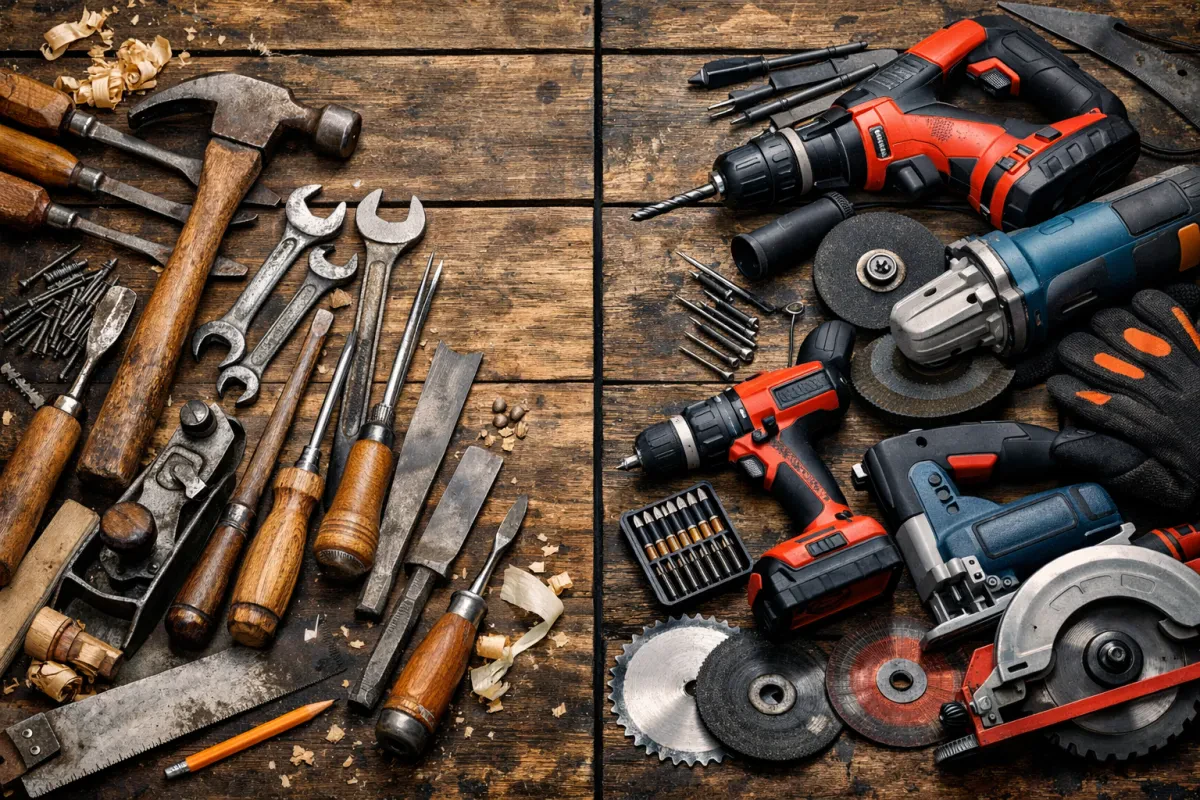
When diving into the world of woodworking, one big question pops up for many: should you go for hand tools or power tools? Each has its perks, and it all boils down to what you're looking to do. Let’s break down the strengths of both options to help you figure out what's right for you in the Hand Tools vs. Power Tools 2026 debate.
Hand tools give you that classic feel of woodworking. They let you connect with your project in a way power tools can’t replicate. There’s something satisfying about using a chisel, hand saw, or hand plane. Plus, hand tools are often lighter, easier to transport, and usually come without the need for electricity. You can work in quiet, peaceful spaces, like your backyard or at a local park, without worrying about disturbing anyone.
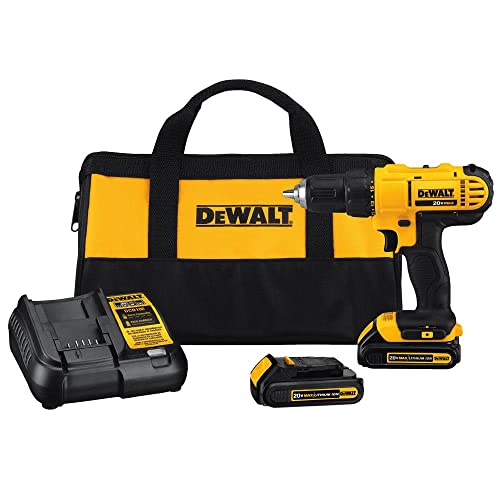
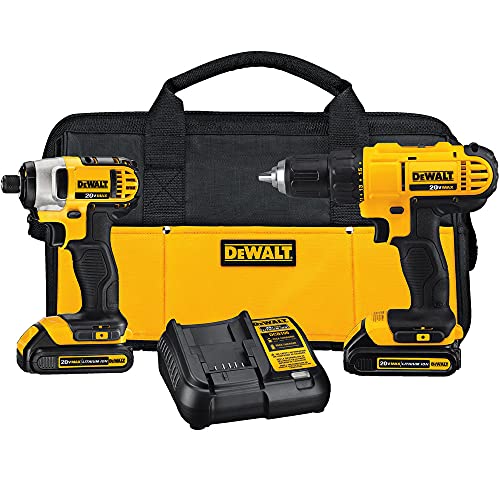
On the flip side, power tools save time and energy. If you're looking to tackle larger projects or need consistent, repetitive cuts, these tools can really speed up the process. Tools like table saws, routers, and drills help you get through tasks quickly and can open up new possibilities for designs you may want to try. They’re especially handy if you work on larger projects where precision and power are essential.
There's also a big difference in cost. Hand tools can be budget-friendly, especially if you buy secondhand or invest in a few good-quality pieces that will last a lifetime. Power tools can hit harder on your wallet, especially when you consider the price of quality brands and the ongoing costs for maintenance and repairs. Think about what you can afford and what you’re willing to invest in for the long haul.
Ultimately, it’s all about your style and needs. Some woodworkers thrive with hand tools, enjoying the mix of skill and patience. Others can’t get enough of the speed and efficiency that power tools bring. Both have their place in the workshop, and the best choice in the Hand Tools vs. Power Tools 2026 conversation might just be a blend of both worlds. Think about what excites you most, and let that guide your decision!
Benefits of Hand Tools for Beginners
When you're stepping into the world of woodworking, choosing between hand tools and power tools can feel overwhelming. Hand tools have a lot to offer, especially if you're just starting out. They can help you develop crucial skills and techniques that will last you a lifetime.
One big benefit of hand tools is how they connect you to your work. You can really feel the wood as you shape it, which builds your understanding of the materials. This hands-on experience hones your skills and gives you a sense of accomplishment as you create something from scratch. As you consider "Hand Tools vs. Power Tools 2026," think about how hand tools can help sharpen your woodworking instincts.
Hand tools are also typically more affordable. You won’t have to spend a fortune on high-tech gadgets just to get started. Plus, they tend to be easier to store and maintain. No batteries or complicated machinery—just some basic tools and a little care, and you're good to go.
Using hand tools can also be a quieter and less messy option. You won’t wake up the whole neighborhood when you’re out in the garage, and cleanup usually means just putting away your tools, not vacuuming up sawdust from a power tool. If you're looking for a way to ease into woodworking without stress, hand tools are a great choice.
In short, if you’re just starting your woodworking journey, hand tools can set a solid foundation. They empower you to learn, create, and enjoy the process without the overwhelming complexity of gadgets. So when it comes to "Hand Tools vs. Power Tools 2026," give hand tools a solid look, especially at the beginning.
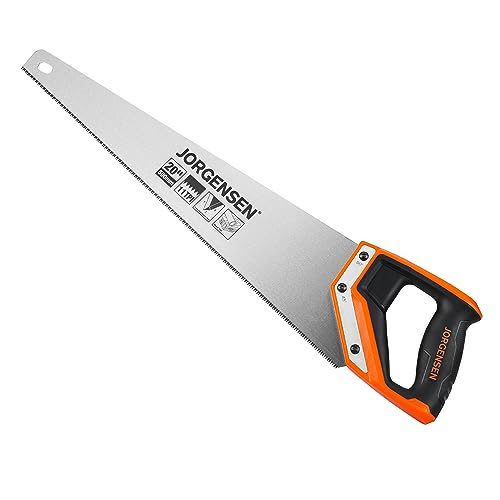
JORGENSEN 20 Inch Pro Hand Saw with Ergonomic Handle
Experience comfort and control for your woodworking projects with this easy-to-use hand saw
Product information
SGD 33.10
Product Review Score
4.94 out of 5 stars
67 reviewsProduct links
Advantages of Power Tools for Projects
Power tools can make a world of difference in your woodworking projects. When you compare hand tools vs. power tools 2026, power tools come out on top for speed and efficiency. They help you get the job done faster, which is great for those bigger projects or when you’re on a tight deadline.
With power tools, you can achieve more precise cuts and finishes. Circular saws, drills, and routers help you create clean edges that hand tools might struggle with. This accuracy makes it easier to turn your ideas into reality and gives your pieces a professional look.
Plus, power tools reduce the physical strain on your body. If you've ever spent hours using a hand saw or chiseling away, you know how tiring that can be. Power tools take a lot of the hard work off your shoulders, letting you focus on your creativity rather than fatigue.
They're also incredibly versatile. One tool can often replace several hand tools. For example, a drill can drive screws, bore holes, and even mix paint with the right attachments. This multi-functionality saves space in your workshop and keeps you organized.
Considering all these points in the hand tools vs. power tools 2026 debate, it’s clear that investing in quality power tools can elevate your woodworking game. Whether you’re a hobbyist or a pro, having power tools in your toolkit will help you tackle projects with ease and confidence.
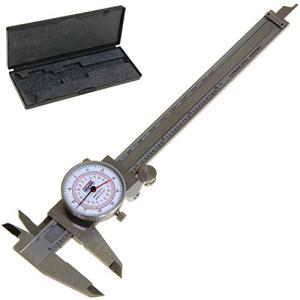
Anytime Tools 6" Dial Caliper with Dual Scale
Measure with ease and precision every time you tackle your woodworking projects
Product information
SGD 256.86
Product Review Score
4.58 out of 5 stars
110 reviewsProduct links
Finding the Right Tool for You
When you're diving into the world of woodworking, it's all about finding the right tools to match your style and projects. In the ongoing debate of Hand Tools vs. Power Tools 2026, personal preference plays a huge role. Some woodworkers swear by the simplicity and precision of hand tools, while others can't get enough of the speed and efficiency that power tools bring to the table.
If you enjoy the hands-on aspect of woodworking, hand tools might be your best friend. They're uncomplicated and give you a real feel for the wood. Plus, they often come at a lower price point and don't require any outlets or batteries. Think about tools like chisels, hand saws, and planes. These classics help you develop solid skills and can be quite satisfying to use.
On the flip side, power tools can save you a ton of time, which is a big deal if you’ve got a lot on your plate. Tools like table saws, routers, and drills make quick work of tasks that would take forever by hand. If you’re looking to speed up your projects without sacrificing quality, power tools might be the way to go. They can help you tackle bigger jobs and achieve consistent results with less effort.