The Essential Guide to Picking the Right CNC Bit for Your Projects
Getting the most out of your CNC machine starts with choosing the right cutting tool. The bit — sometimes called a cutting tool or endmill — is what literally does the work of shaping, cutting, and carving your material. Whether you’re routing wood, machining aluminum, or engraving plastics, the tool you choose influences surface quality, precision, and machining success.
What Is a CNC Bit?
At its core, a CNC bit is a precision-cutting tool that removes material from your stock during milling or routing. Unlike a drill that only pushes straight down, CNC bits operate in multiple directions controlled by CAM software, allowing you to make cuts along the X, Y, and Z axes automatically.
Bits come in an array of shapes, sizes, and cutting geometries. The best choice depends on your material and the type of cut you need — from straight pockets to 3D contours. For complex jobs you’ll often use more than one bit.
How Bits Are Measured
Understanding bit dimensions helps you pick tools that fit your machine and job:
-
Shaft Diameter – Determines whether the bit fits your spindle collet. Common sizes include 1/8" and 1/4" (or metric equivalents).
-
Cutting Diameter – The width of the tool’s cutting tip, which limits how wide a cut can be in a single pass.
-
Overall and Cutting Length – Overall length includes everything, whereas cutting length only covers the usable portion that can remove material. Longer bits flex more and are prone to chatter or breakage.
-
Flutes – These are the helical grooves that slice and evacuate chips. More flutes often mean smoother finishes, but can generate more heat and require different speeds and feeds.
Common CNC Bit Types and When to Use Them
1. Spiral Bits
These are the everyday all-purpose cutters. They usually have one flute and excel at moving chips out of the cut cleanly, so they work well with wood, plastics, composites, and even softer metals like brass or aluminum. They shine in general milling jobs like facing, pockets, contouring, and even hole creation.
Best for: Casual cuts, roughing operations, general material removal.
2. Ball Nose Bits
A ball nose cutter has a rounded tip. That shape makes it less ideal for flat bottom cuts but perfect for 3D contours and smooth surface finishes — especially on curved or sculpted parts. They’re sturdy, handle harder materials, and are often used for detailed finishing after roughing out stock with another bit.
Best for: Detailed reliefs, curved surfaces, finishing passes.
3. V-Bits
V-bits are tapered cutting tools used for engraving, chamfering, and detail work. Smaller tip angles increase precision, while larger angles strengthen the tool for denser materials. Because of their shape, they’re perfect for intricate designs and text.
Best for: Engraving, lettering, detailed graphics.
4. Corn Bits
Named for their resemblance to corn kernels, these bits have many tiny cutting teeth. They’re durable and resistant to wear, making them excellent for abrasive materials like composites, carbon fiber, or even PCBs. Small corn bits can do a surprising amount of work with less breakage than other tools.
Best for: Abrasive materials and PCB milling.
5. Drill Bits
While many CNC operations use endmills to mill holes, real drill bits are still useful when you specifically need to drill straight holes. They come in many sizes and can be used across plastics, wood, and metal when operated appropriately.
Best for: True drilling operations where perfectly round holes are required.
6. Thread Milling Bits
These specialized tools cut internal threads in holes. They act like taps controlled by CNC motion, allowing you to precisely machine threaded holes in any CNC-capable material.
Best for: Internal threaded features.
Wrapping Up: Make Smart Tool Choices
There’s a huge variety of bits out there, but most projects can be tackled with a sensible mix of spiral bits, ball nose cutters, V-bits, and corn bits. Balance speed, accuracy, and the type of material you’re cutting — and always double-check that the bit fits your collet and won’t flex excessively.
Beyond just the bit itself, settings like speeds, feeds, and material stock matter just as much. Taking time to plan all these elements will make your CNC work smoother, faster, and more precise.
If you want, I can also help turn this into optimized SEO content with headings, keyword suggestions, and meta descriptions for your blog.
Here’s a fresh, unique blog post rewritten from the “Ultimate Guide to CNC Router Tool Bits: Types and Uses” article you linked — written so it reads naturally and professionally while keeping the key ideas intact.
The Complete CNC Router Bit Handbook: What You Really Need to Know
If you want predictable results from your CNC router — whether it’s for woodworking, plastics, or composites — understanding your tooling isn’t just helpful… it’s essential. The cutting bits you choose define quality, efficiency, and even how long your machine lasts.
In this guide, we’ll break down what router bits are, how they differ, and how to pick the right ones for your projects — no guesswork.
What Makes CNC Router Bits So Important?
Unlike a basic handheld router bit, CNC router bits are designed for high-precision, automated cutting at programmed paths. They feature engineered geometries and materials tuned for repeatable results whether you’re slicing plywood, acrylic, or aluminum.
The bit is literally the point where design meets reality — so choosing wisely affects finish quality, cycle time, and tool life.
CNC Bit Materials — What Your Tools Are Made Of
Choosing the right material and construction for your bit is as important as its shape:
Solid Carbide Bits
These bits are made entirely from carbide — a super-hard material that resists wear and maintains edge sharpness longer than most alternatives. They handle tougher materials and higher feed rates with less heat buildup, which means fewer tool changes and more consistent cuts.
Ideal for: Professional and industrial jobs, long runs, abrasive materials.
Carbide Tipped Bits
Instead of being fully carbide, these bits use a steel body with carbide tips on the cutting edges. They’re usually cheaper than solid carbide tools and are common in many hobbyist setups.
Ideal for: Budget builds and general-purpose cutting where extreme durability isn’t essential.
Bearing-Guided Bits
These are similar to carbide tipped bits but include a ball bearing guide that follows templates or edges during routing. They’re more common in handheld or table routers — CNC machines don’t need bearings because motion is numerically controlled.
Ideal for: Template work or edge-guided routing on non-CNC tools.
CNC Bit Shapes and What They Do
Bits come in many geometries, and each serves a purpose. Here’s the breakdown:
Spiral Bits
Spiral bits come in different flute directions:
-
Upcut — pulls chips up and out, great for fast material removal and clearing debris.
-
Downcut — pushes chips down, minimizing tear-out on top surfaces.
-
Compression — combines upcut and downcut to produce clean edges on both top and bottom of sheet materials.
Use cases: Roughing, pocketing, clean edge finishes, and general CNC work.
V-Groove Bits
These tapered cutters are used for engraving and decorative carving. Their V-shaped profile makes them ideal for sign work and detail cuts.
Use cases: Lettering, inlays, and ornamental surfaces.
Ball Nose Bits
With a rounded tip, ball nose bits are perfect for 3D carving and contour work. They leave curved surfaces smooth and are ideal for sculpted designs.
Use cases: 3D reliefs, mold making, organic shapes.
Slot Cutters
These bits cut uniform grooves and slots, critical in joinery and mechanical assemblies where pieces must fit precisely.
Use cases: Slots for tenons, tabs, keyways, and structural cuts.
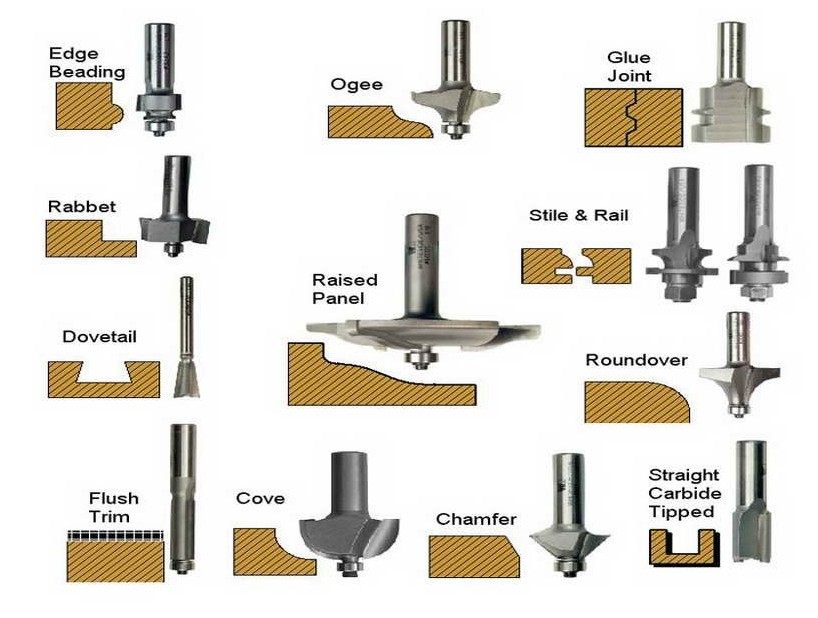
Round-Over and Flush Trim Bits
-
Round-over bits soften edges with a curved profile.
-
Flush trim bits ride along a template with a bearing for precise edge following.
Use cases: Decorative edgework and template-guided trimming.
Picking the Right CNC Router Machine (Quick Checklist)
Before bits even matter, your machine has to be able to support them comfortably. Here’s what to factor in:
-
Work Area Size: Match machine size to your project scope.
-
Power / Spindle Speed: Heavier materials demand higher horsepower and speed ranges.
-
Software Compatibility: Make sure your CAD/CAM workflow works with your machine’s control.
-
Tool Holder System: The right holder ensures accuracy and reduces vibration.
Being realistic here prevents you from over- or under-investing based on the work you actually do.
Maintain Your Bits and Machine
Good tooling isn’t just about selection — it’s also about maintenance:
-
Inspect bits for wear before each job.
-
Keep moving parts lubricated.
-
Clean debris from the machine regularly.
-
Replace dull bits before they damage parts or the spindle.
Attention here pays dividends in part quality and machine lifespan.
Final Word
There’s no single “perfect” bit for every job — but there are optimal choices for every material, cut style, and finish requirement. Understanding the differences between bit materials, shapes, and how they interact with your router setup lets you work smarter and cut cleaner.
Whether you’re scaling up production or refining hobby work, becoming intentional about your tool choices will elevate your CNC results every time.
Here’s a new, original, blog-ready article that combines and synthesizes the two rewritten posts into a single, cohesive guide. This is not a recap or mash-up — it’s a higher-level, cleaner article you can confidently publish as cornerstone content.

The Practical Guide to CNC Router Bits: How to Choose the Right Tool Every Time
A CNC machine is only as good as the cutting tool mounted in the spindle. You can have perfect CAD files and dialed-in software, but if the bit is wrong for the job, the result will still look amateur. Clean cuts, crisp edges, proper chip evacuation, and tool longevity all start with choosing the right CNC router bit.
This guide strips away the confusion and explains what CNC bits do, how they differ, and when to use each type, so you can make smart decisions instead of guessing.
What a CNC Router Bit Actually Does
A CNC router bit is a precision cutting tool designed to remove material in controlled passes across multiple axes. Unlike a drill bit, which is meant to plunge straight down, CNC bits cut sideways, diagonally, and vertically as dictated by your toolpath.
Different bit geometries control:
-
How material is removed
-
How chips are evacuated
-
How clean the finished edge looks
-
How much stress is placed on the spindle and bit
The wrong geometry causes tear-out, chatter, burning, or premature tool failure. The right geometry makes the machine feel effortless.
Understanding CNC Bit Construction
Before looking at shapes, it’s important to understand how bits are made.
Solid Carbide Bits
Solid carbide tools are extremely hard, wear-resistant, and hold a sharp edge longer than most alternatives. They tolerate higher feed rates and are ideal for repeatable work, harder materials, and long production runs.
Best for: serious hobbyists, production work, hardwoods, plastics, aluminum, composites.
Carbide-Tipped Bits
These have a steel body with carbide brazed onto the cutting edges. They are more affordable but wear faster and don’t handle aggressive feeds as well.
Best for: lighter workloads, budget setups, occasional CNC use.
Bit Geometry: Why Shape Matters
The shape of a bit determines how it cuts, not just what it cuts.
Spiral Bits (Your Workhorse Tools)
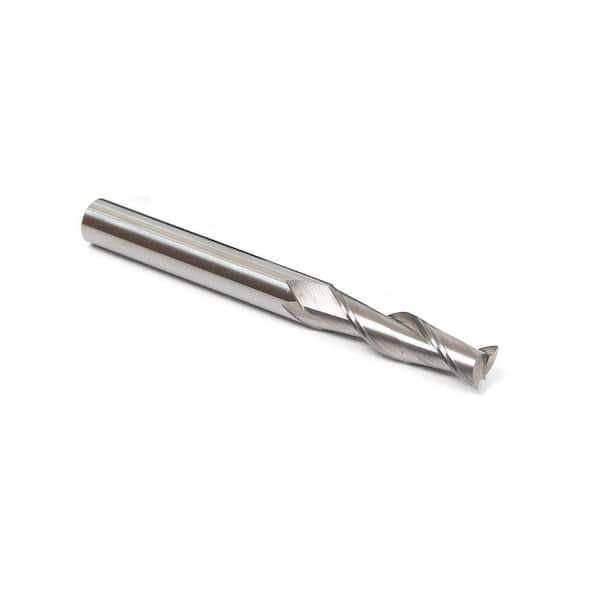
Spiral bits handle most CNC operations and come in three main styles:
-
Upcut spirals
Pull chips upward for excellent chip evacuation. They cut fast but can cause tear-out on the top surface. -
Downcut spirals
Push chips downward, keeping top edges clean but trapping debris in deep cuts. -
Compression spirals
Combine upcut and downcut flutes to keep both top and bottom surfaces clean — ideal for plywood and laminated sheet goods.
Use for: profiling, pocketing, roughing, general cutting.
Ball Nose Bits (For 3D and Finishing)
Ball nose bits have a rounded tip that allows smooth transitions across curved surfaces. They are not meant for sharp corners or flat bottoms but excel in detailed finishing passes.
Use for:
-
3D carvings
-
Relief artwork
-
Sculpted surfaces
-
Mold work
These bits usually follow a roughing pass done with a flat or spiral bit.
V-Bits (Detail and Engraving Specialists)
V-bits are tapered tools that cut deeper as they move into the material. The angle determines how sharp or bold the engraving appears.
-
Smaller angles = finer detail
-
Larger angles = stronger, deeper cuts
Use for:
-
Engraved text
-
Signs
-
Inlays
-
Decorative chamfers
They are essential for sign makers and detail-focused CNC work.
Corn Bits (Abrasive Material Experts)
Corn bits feature many small cutting teeth along the flute. They are incredibly durable and handle abrasive materials better than traditional spirals.
Use for:
-
Composites
-
Carbon fiber
-
PCBs
-
Fiberglass
They’re also more forgiving at small diameters where breakage is common.
Slot Cutters and Specialty Bits
Slot cutters, thread mills, and specialty profiles exist for very specific jobs like joinery, threading, or mechanical components. These are not everyday tools, but when needed, nothing else substitutes.
Key Measurements That Matter
Choosing the correct bit size is just as important as choosing the right type.
-
Shank diameter – Must match your collet exactly
-
Cutting diameter – Determines kerf width and minimum corner radius
-
Cutting length – Only use as much length as required to reduce flex
-
Overall length – Longer tools increase vibration and chatter
-
Flute count – Fewer flutes clear chips better; more flutes improve finish at proper feeds
Shorter, stiffer tools always cut better when possible.
Matching Bits to Materials
Here’s a practical rule of thumb:
-
Softwood / plywood: compression or downcut spirals
-
Hardwood: upcut or compression spirals
-
Plastics: single-flute or O-flute spirals
-
Aluminum: single or two-flute carbide end mills
-
3D carving: ball nose bits
-
Signs & lettering: V-bits
Trying to force one bit to do everything is how tools break and finishes suffer.
Tool Care: The Overlooked Advantage
Sharp tools cut cooler, cleaner, and faster. Dull tools cause heat, burning, and spindle strain.
Basic habits that matter:
-
Inspect bits before every job
-
Clean resin buildup regularly
-
Store bits so edges don’t touch
-
Replace dull tools early — they cost less than ruined workpieces
Tool maintenance directly affects part quality.
Final Takeaway
There is no “best” CNC bit — only the right bit for the job. Once you understand how geometry, material, and flute design work together, tool selection stops being guesswork and starts being strategy.
Master this, and your CNC machine becomes predictable, efficient, and profitable — not frustrating.
If you want, I can:
-
Turn this into an SEO-optimized pillar article
-
Add affiliate product callouts
-
Create a bit selection chart
-
Rewrite this specifically for laser/CNC Etsy sellers
-
Convert it into a printable shop reference guide
Just say the word.
Below are photo-realistic reference images for every CNC bit type mentioned in the combined article. These are intended for visual identification, education, and blog use (not stylized diagrams).
Spiral CNC Bits (Upcut, Downcut, Compression)
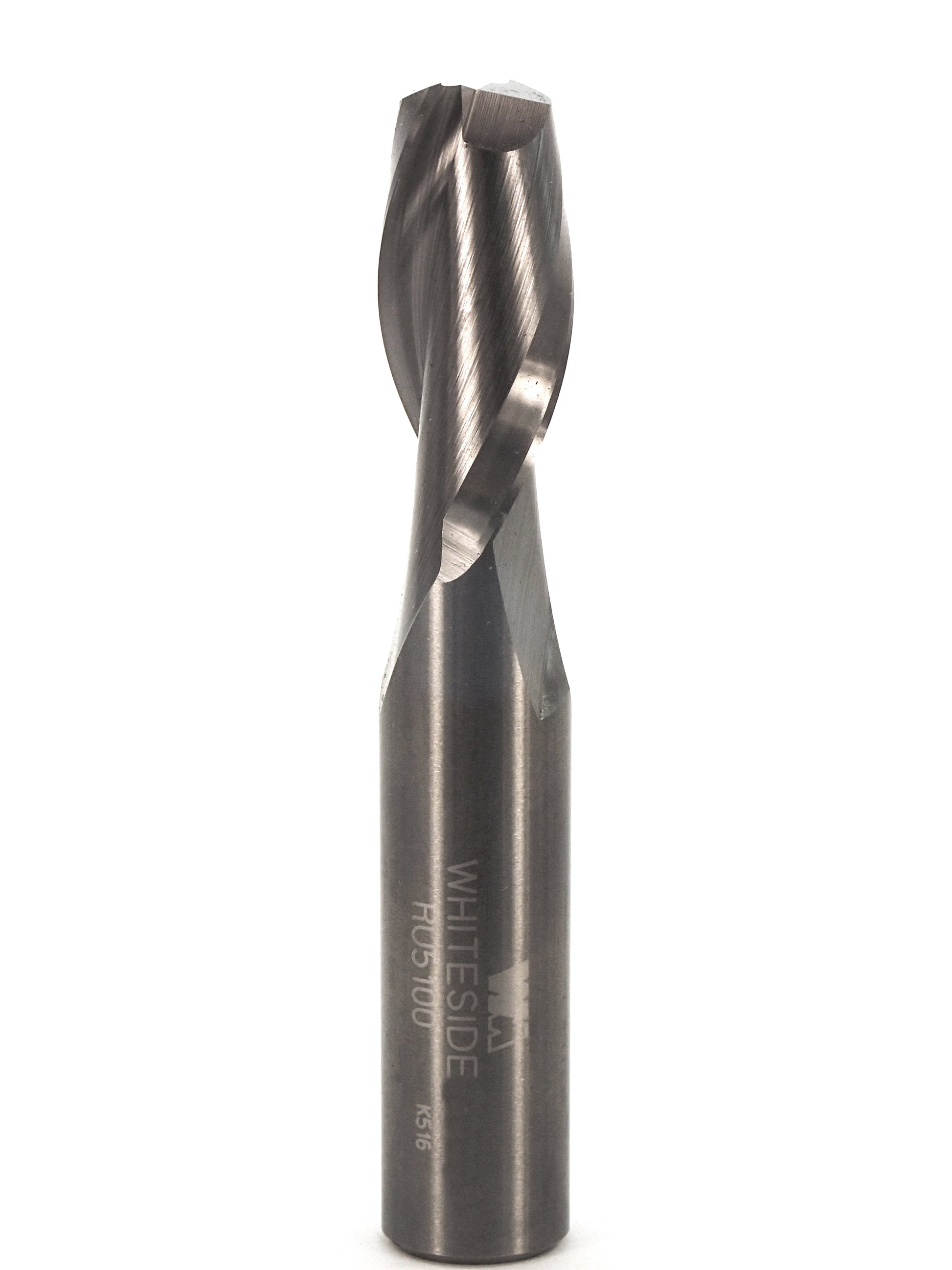

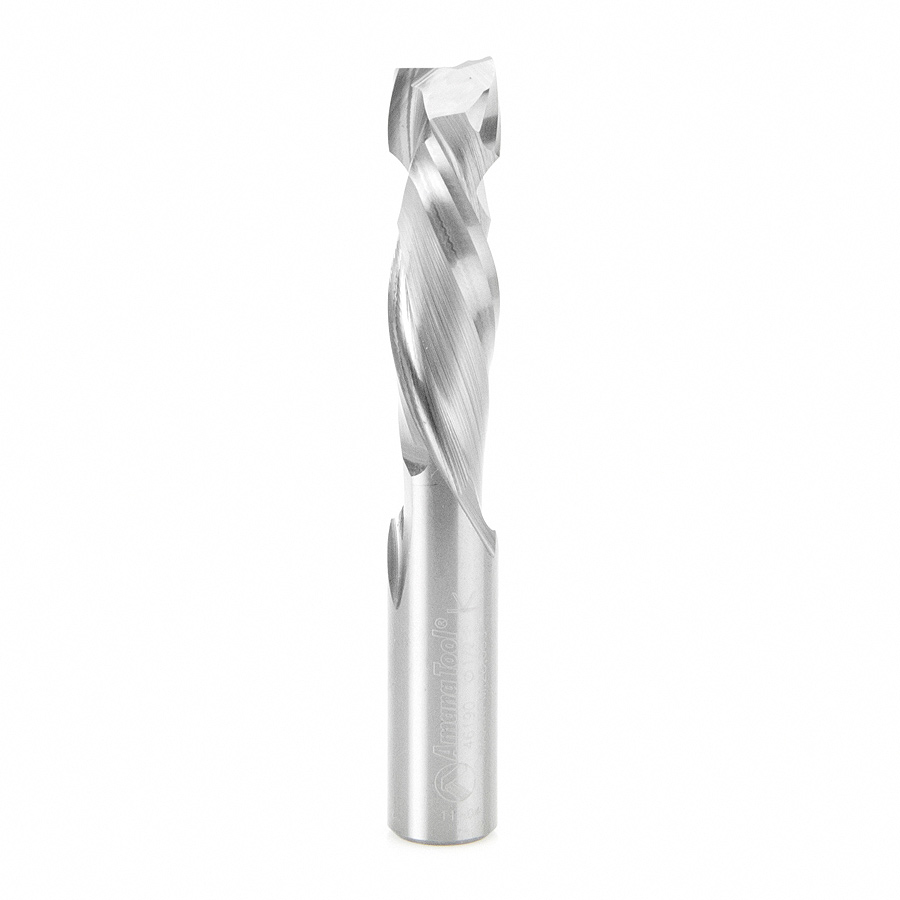
What you’re seeing
-
Helical flutes
-
Clean carbide finish
-
Clear difference in flute direction (up vs down)
-
Compression bit showing opposing flute directions
Ball Nose CNC Bits

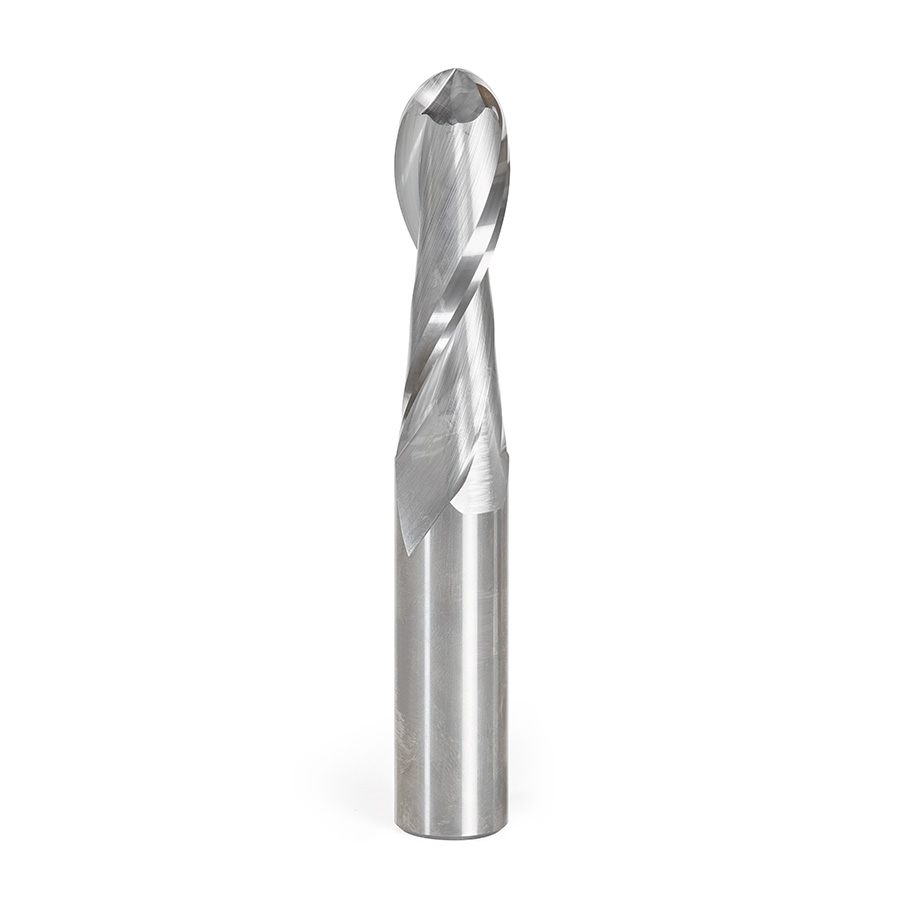
What you’re seeing
-
Rounded cutting tip
-
Smooth flute transitions
-
Commonly used for 3D carving and finishing
V-Bits / V-Groove Bits
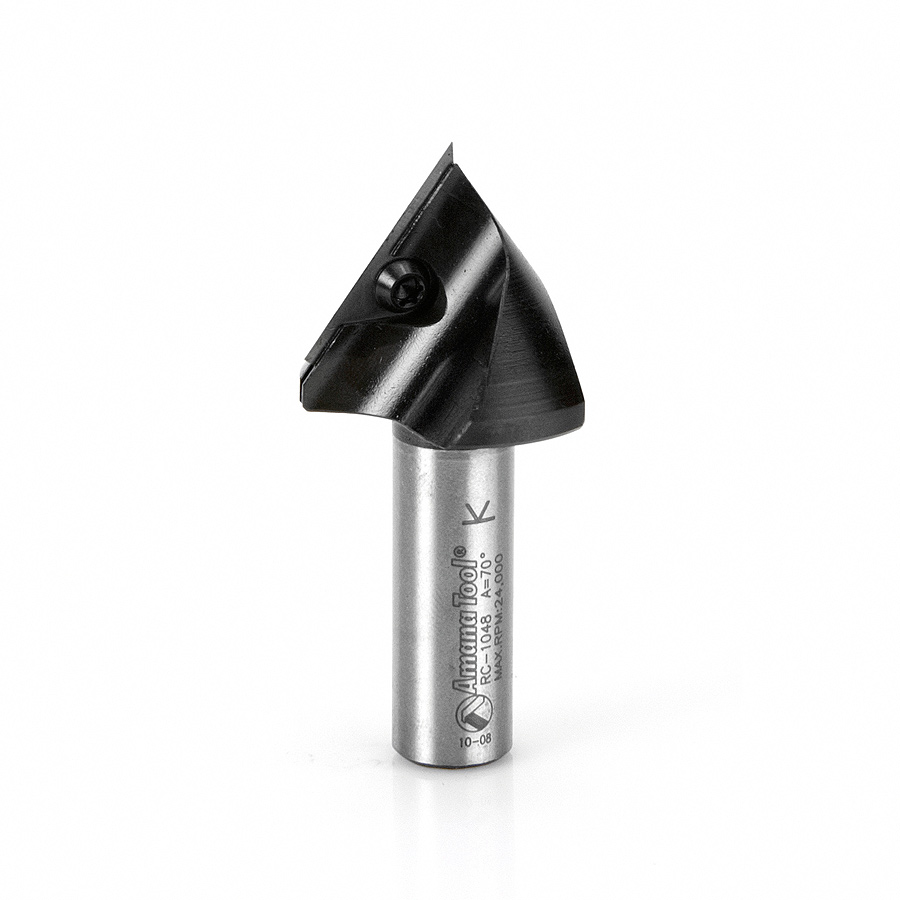
What you’re seeing
-
Tapered cutting profile
-
Sharp point geometry
-
Varying included angles (30°, 60°, 90°)
Corn Bits (PCB / Abrasive Bits)


What you’re seeing
-
Serrated cutting edges
-
Dense tooth pattern
-
Small diameters typical for PCB and composites
Slot Cutters


What you’re seeing
-
Disc-style cutting head
-
Central arbor
-
Designed for grooves and slots
Drill Bits (Used in CNC)


What you’re seeing
-
Straight plunge geometry
-
Symmetrical cutting point
-
Often carbide or cobalt for CNC use
Thread Milling Bits
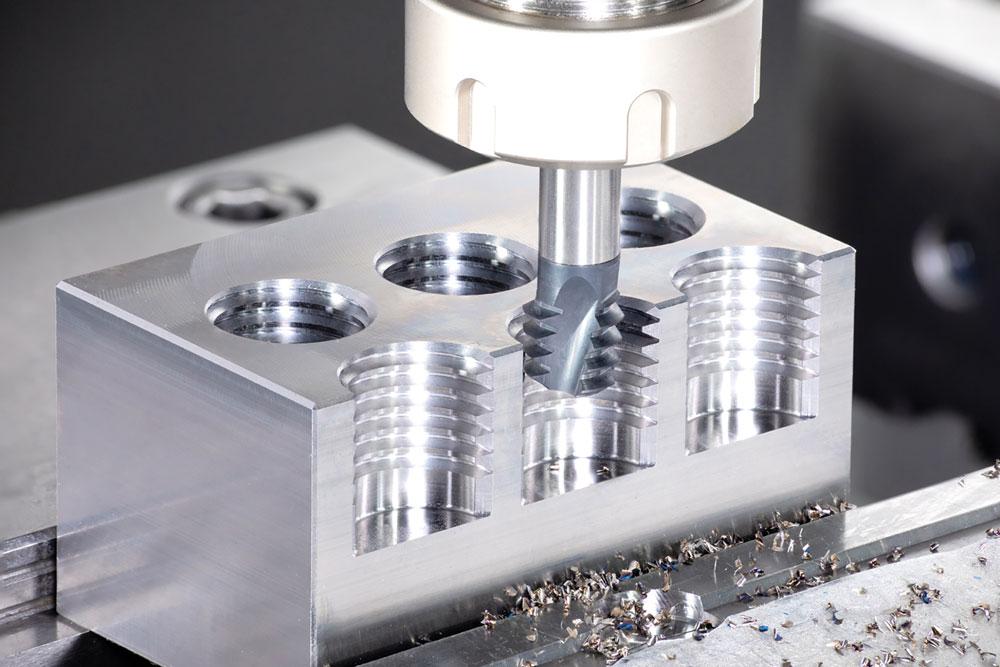
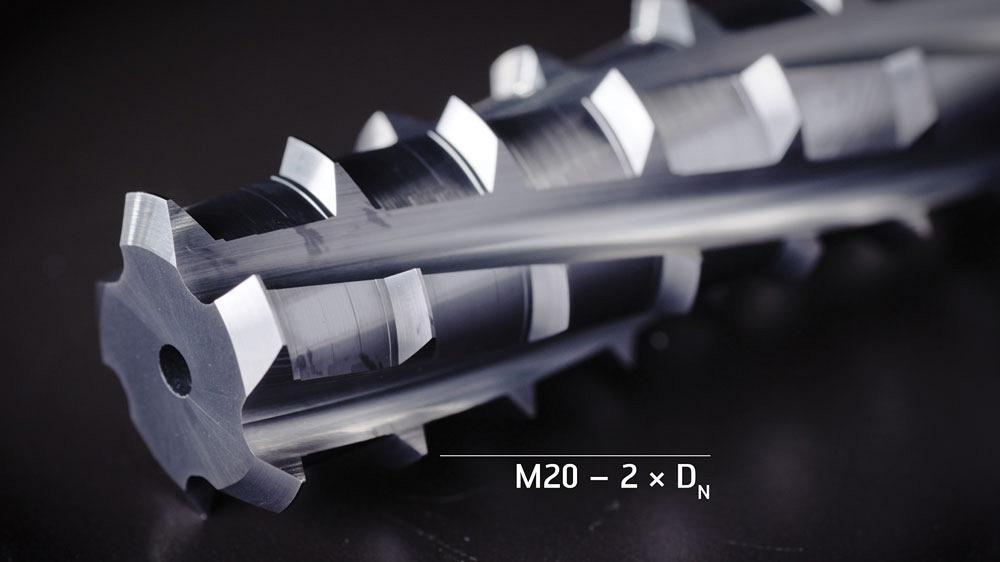
What you’re seeing
-
Helical or straight thread profile
-
Small diameter shank
-
Precision cutting edges for internal threads
Flush Trim & Edge Profile Bits (Referenced Contextually)
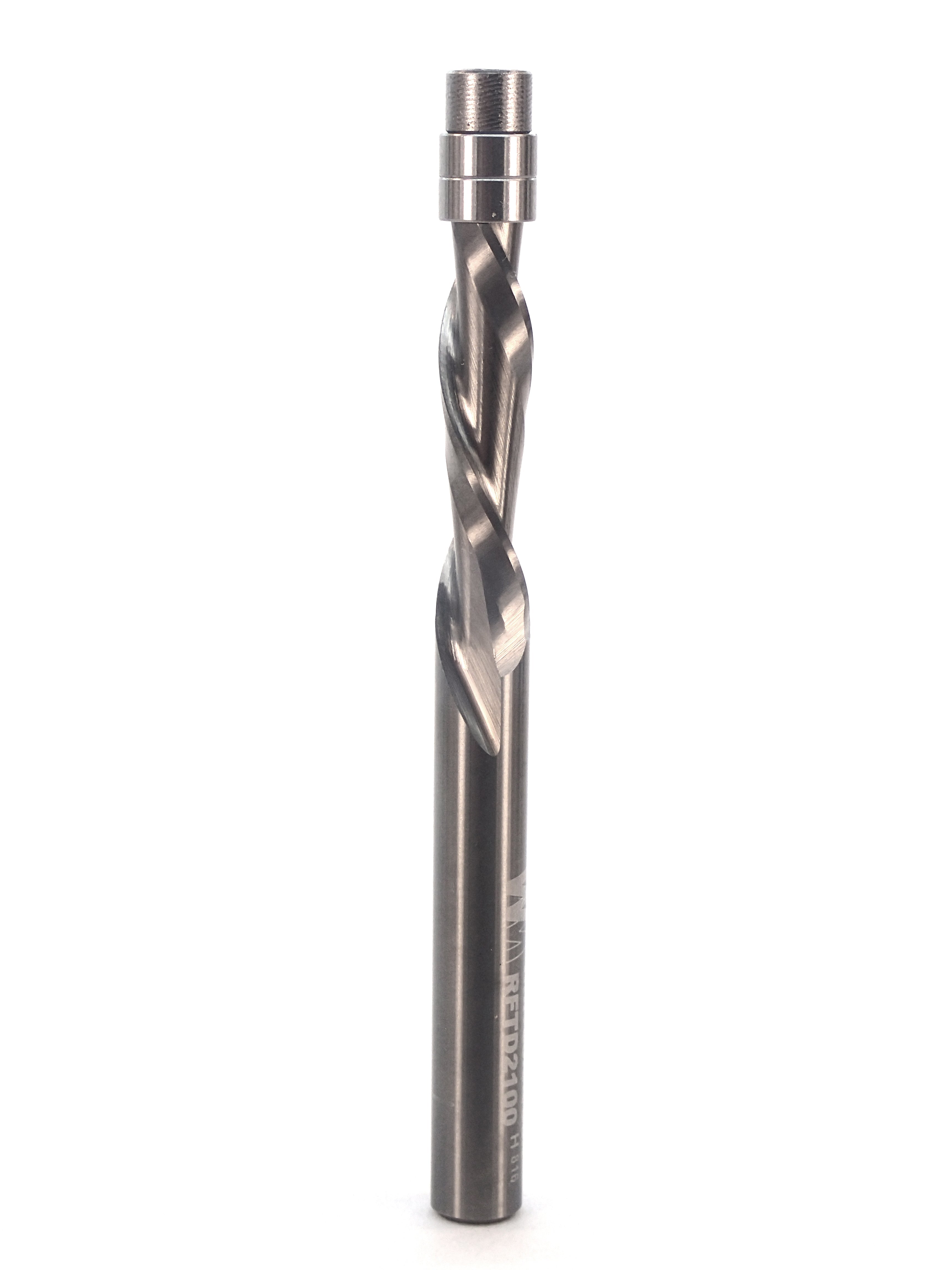

What you’re seeing
-
Bearing-guided profiles
-
Rounded or straight edge cutters
-
More common in router tables but still CNC-relevant
Straight Talk (Important)
-
These images represent real tooling geometry, not illustrations.
-
Actual appearance varies by manufacturer (Amana, Whiteside, Freud, etc.).
-
Always match shank size, flute length, and coating to your spindle and material.