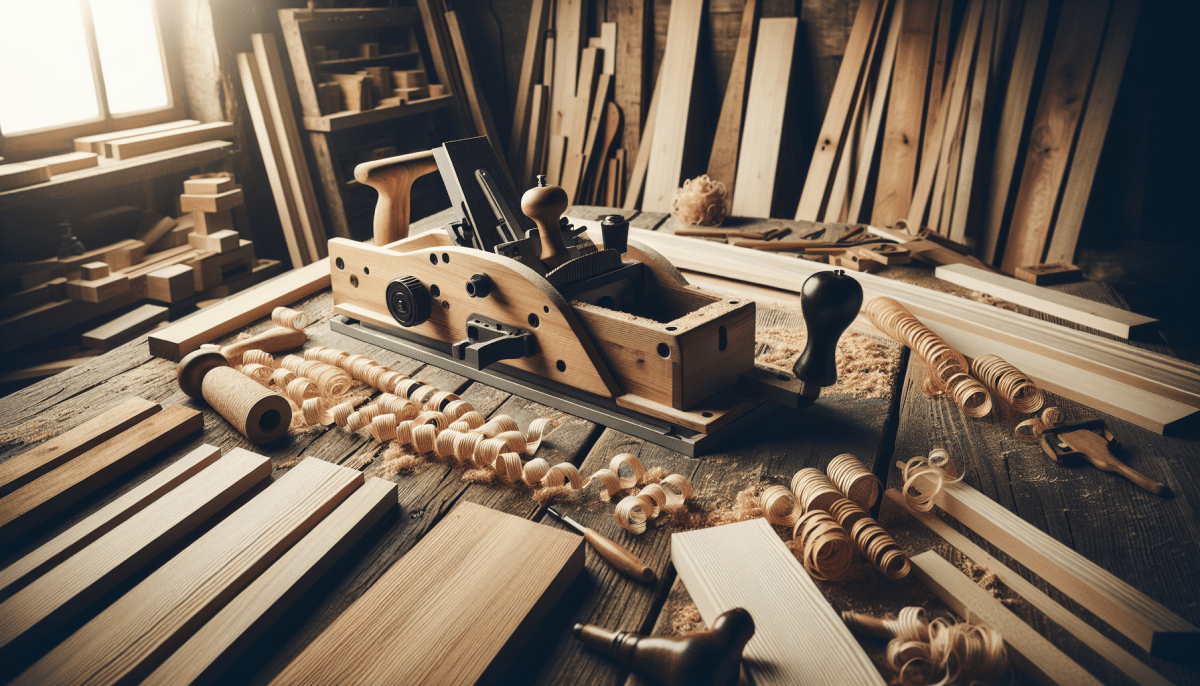
Woodworking planers are essential tools for any woodworker who wants to achieve smooth, even surfaces on their projects. Whether you're working on furniture, cabinetry, or any kind of wood craft, a good planer can save you time and effort. They trim down wood to a consistent thickness and can flatten rough surfaces, making your pieces look polished and professional.
There are two main types of planers: handheld and stationary. Handheld planers are portable and great for small projects or touch-ups. They’re perfect if you’re working in tight spaces or need to take your tools on the go. Stationary planers, like benchtop models, give you more precision for larger pieces. They often have wider cutting surfaces, making them suitable for bigger projects where accuracy matters.
When choosing a planer, think about your projects and the wood species you’ll be using. If you work with hardwoods, invest in a powerful model that won’t stall out. If you plan on using softwoods or thinner boards, a lightweight, portable option could be all you need.
In the end, the right planer can elevate your woodworking game. Whether you’re a beginner or a seasoned pro, having the right tools makes all the difference in achieving that perfect finish.
Key Features to Look For
When you're on the hunt for a woodworking planer, there are a few key features to keep in mind. These features can really make a difference in how smoothly your projects go. Let's break them down so you know exactly what to look for.
Motor Power: The motor's power is a big deal. A stronger motor means quicker cuts and the ability to handle tougher woods. Aim for at least 12 amps for a solid performance. If you plan on working with dense hardwoods often, look for something even beefier.
Blade Quality: Sharp blades are a must. Check for high-speed steel blades or carbide-tipped ones that give you a longer lifespan. Some planers come with replaceable blades, which is a bonus. Dull blades can ruin your work, so make sure you can easily swap them out.
Cutting Width and Depth: Think about the size of the projects you’ll be tackling. A wider cutting width allows you to flatten larger boards. Look for a planer with adjustable depth settings, too. This feature lets you make precise adjustments for different thicknesses, ensuring a clean finish every time.
Portability and Weight: If you’re going to be moving your planer around, weight matters. Lighter models are easier to transport, while heavier ones tend to be more stable during use. Consider where you’ll be using it most and pick one that matches your needs.
Types of Woodworking Planers
When it comes to woodworking planers, there are a few different types to consider. Each type has its own benefits, so it’s good to know what’s out there. Whether you’re making furniture, cabinetry, or just doing some quick projects, having the right planer can make all the difference.
First up, we have bench planers. These are your go-to for small to medium-sized projects. They’re compact and easy to move around, which is great if you don’t have a huge workshop. Bench planers give you smooth, flat boards without much hassle. They’re perfect for hobbyists or those just starting out.
Next, let’s talk about floor planers. If you’re getting serious and working on larger projects, these machines are the way to go. They’re built for heavier tasks and can handle bigger pieces of wood. You’ll get a uniform finish on larger surfaces, which is a huge time-saver if you're working on something substantial.
Don’t forget about jointer planers. These are a two-in-one machine that lets you joint and plane wood in one go. If you want to save time and space, this might be the best choice. They’re especially great for flattening rough lumber and making sure your joints fit snugly.
Lastly, there are hand-held planers. These nifty little tools are perfect for quick fixes or touch-ups. They give you a lot of control over the wood you’re working with and are great for smaller jobs. If you need to shave off a little here and there, a hand-held planer will do the trick with ease.
Tips for Your First Purchase
So, you're ready to buy your first woodworking planer? Awesome! Here are some tips to help you make the right choice.
First off, think about what you'll mainly be using it for. Are you getting into furniture making, or just tackling some home projects? Different planers suit different needs. If you plan to take on bigger projects, consider a planer with a wider cutting width to handle larger boards. If you’re sticking to smaller items, a compact model will do just fine.
Next, pay attention to the power. Look for a planer with a strong motor. A 15-amp motor is typically a good choice for most hobbyists. It’ll provide the strength you need without slowing down when you hit tougher wood. Also, check the cutting speed; faster speeds mean smoother finishes.
Don’t overlook safety features either. Look for planers with safety switches and automatic shut-off features. These add an extra layer of security, especially if you're just getting the hang of things.
Finally, read reviews from other woodworkers. Their experiences with specific models can give you real insight into reliability and performance. A solid model that others love is likely a safe bet for your first purchase. Happy planning!